East Asia Today
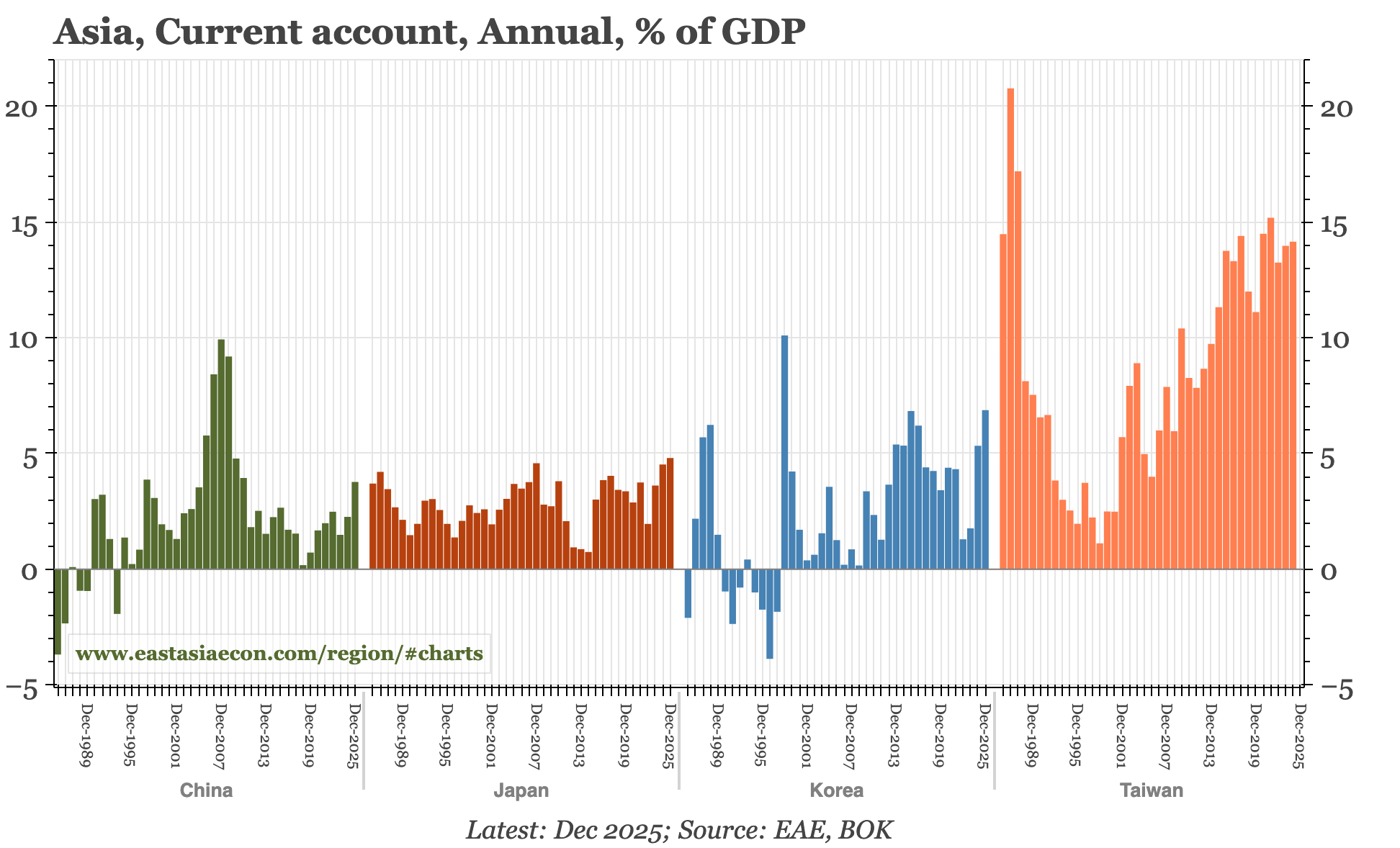
Lots of data releases across the region today. Two themes stand out: 1) Rising CA external surpluses and inflows, with the latest indicators coming from China and 2) improving terms of trade, seen in Korea's export/import price data for December, and Taiwan's Q4 GDP release.

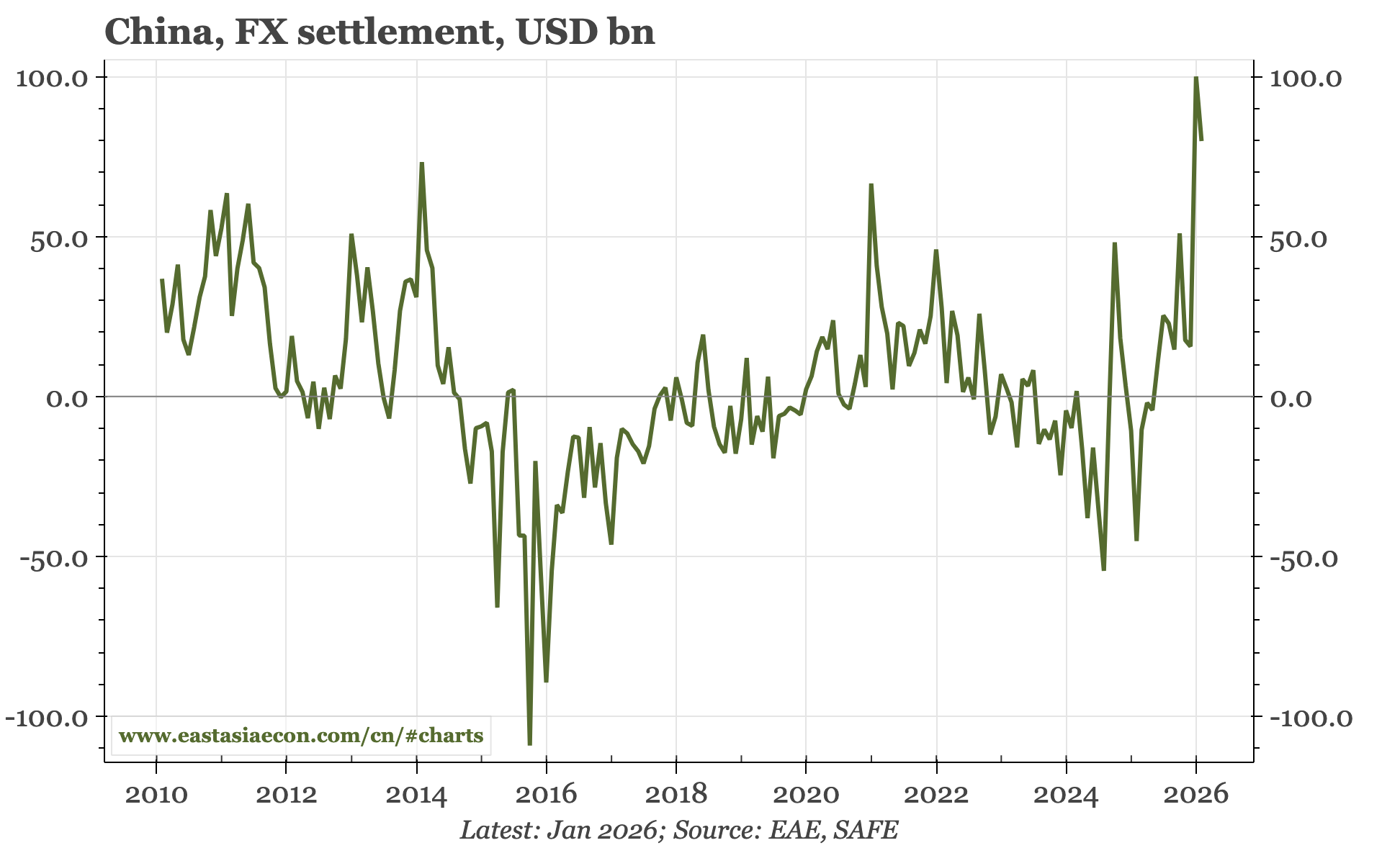
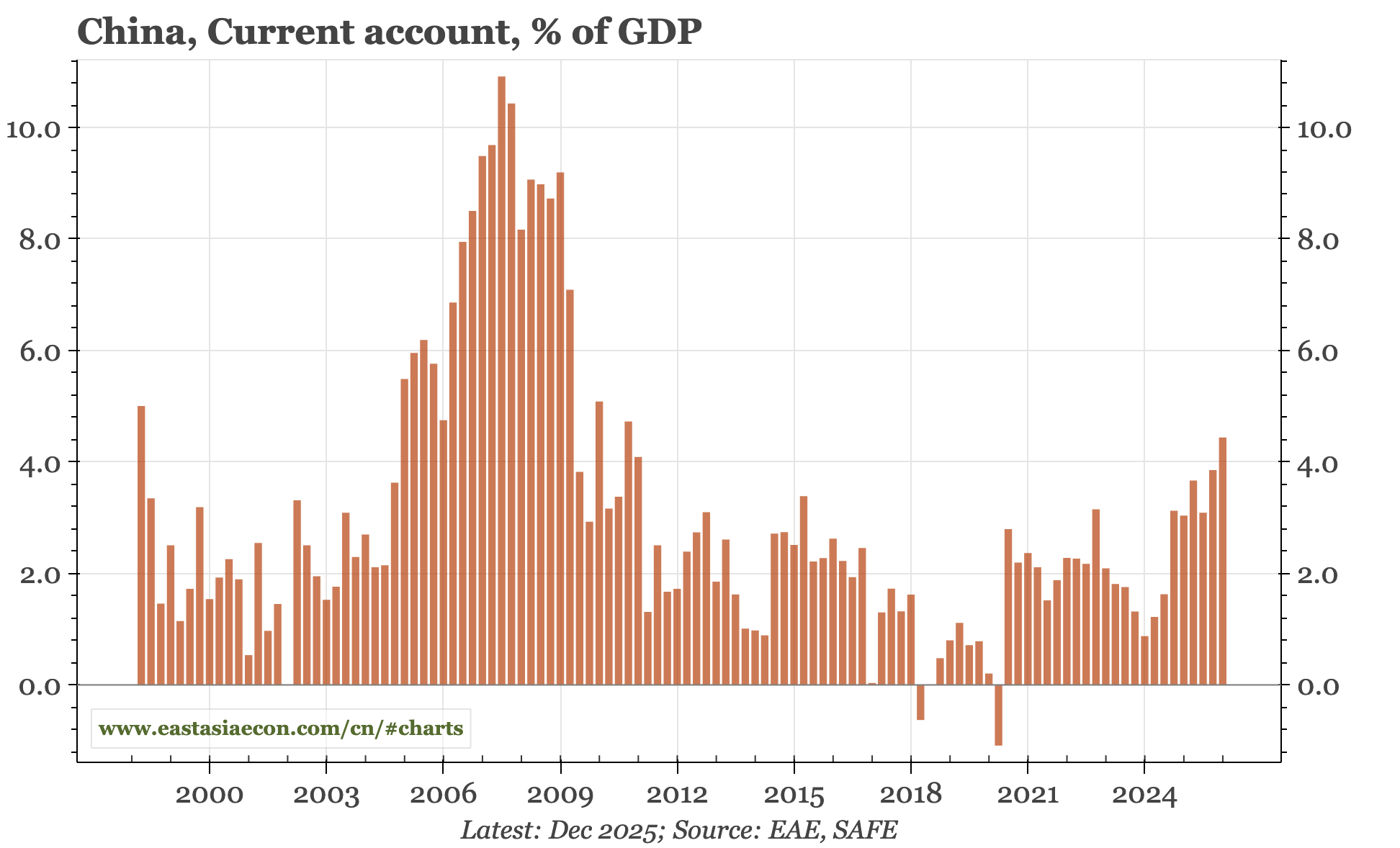
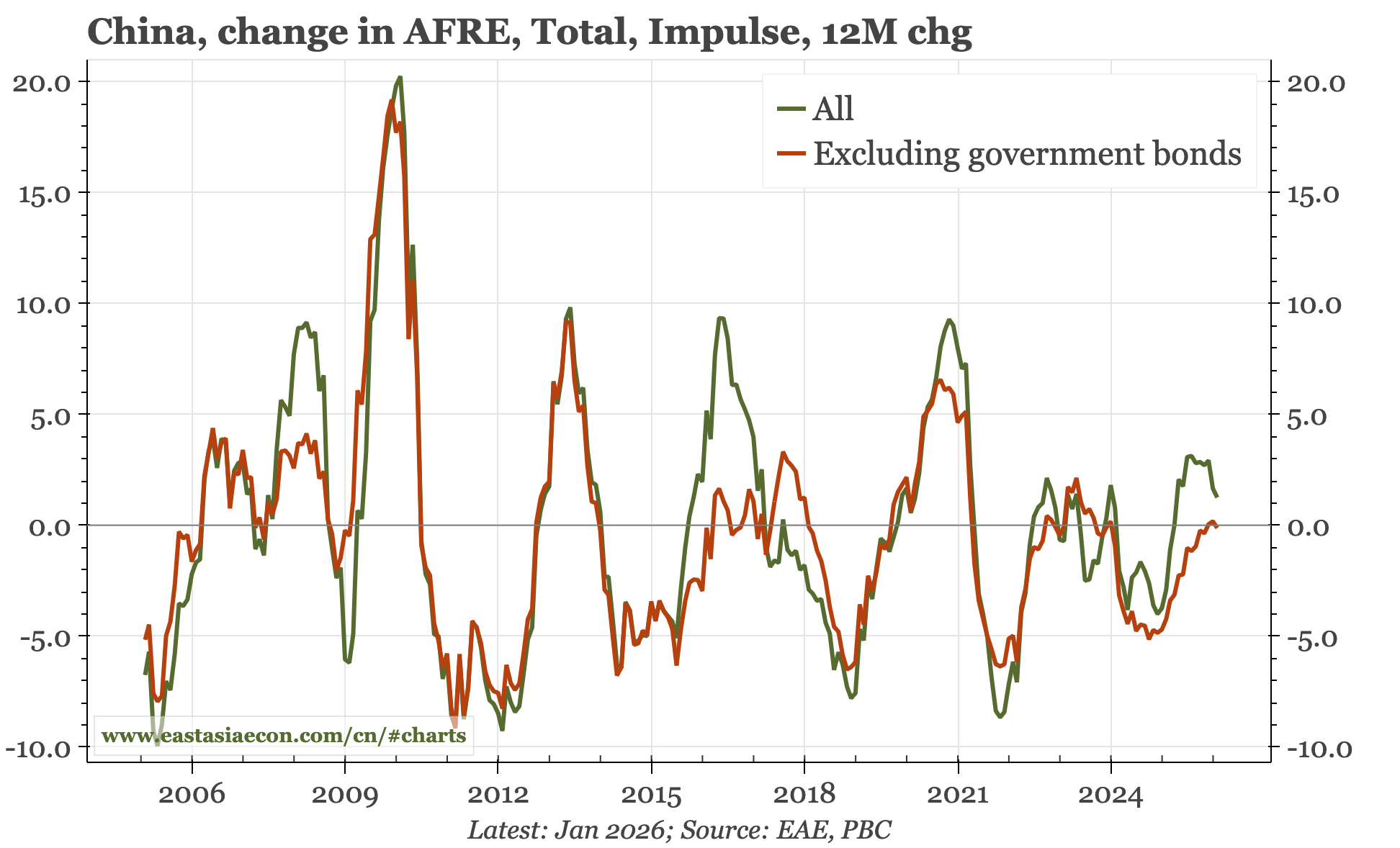
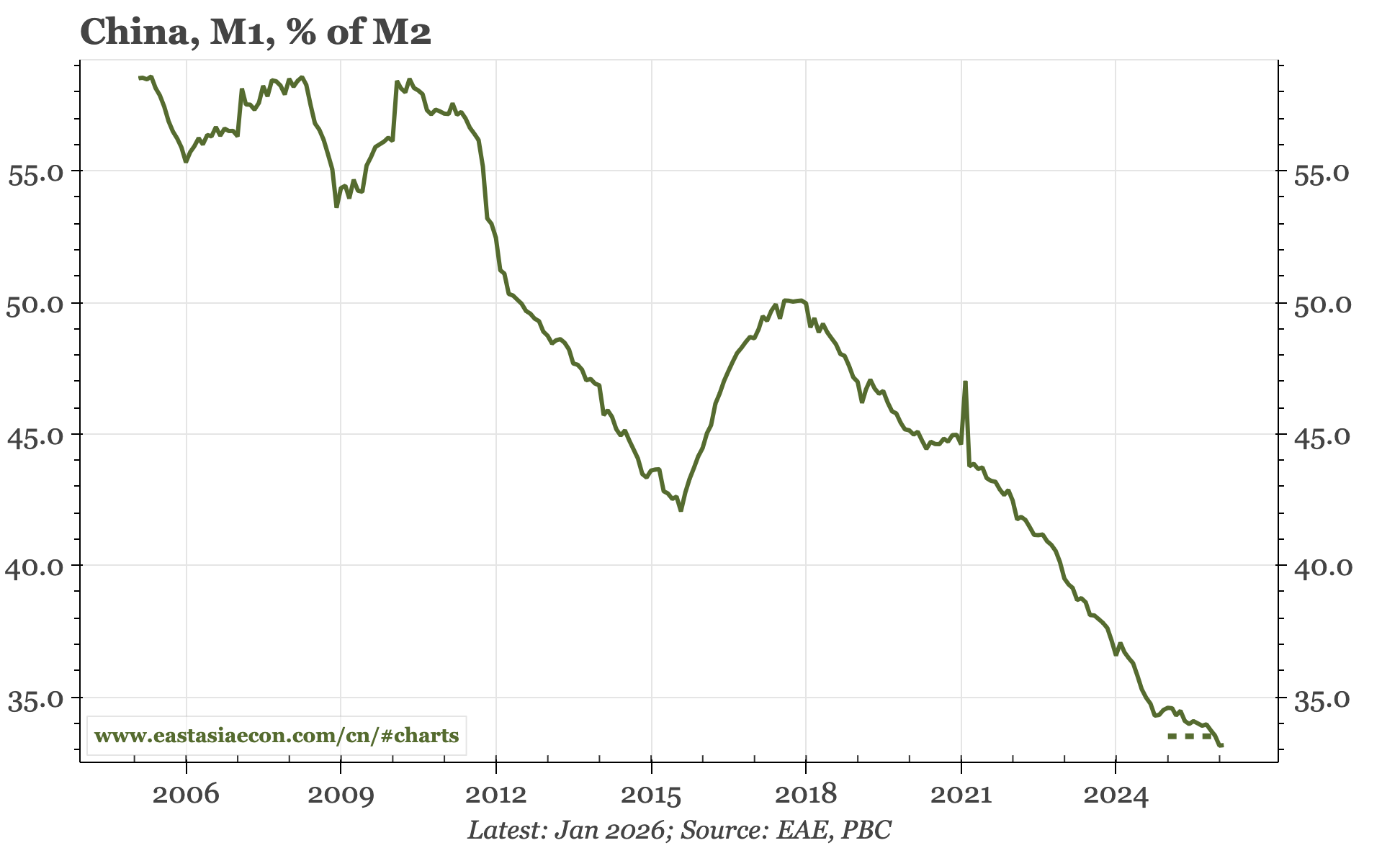
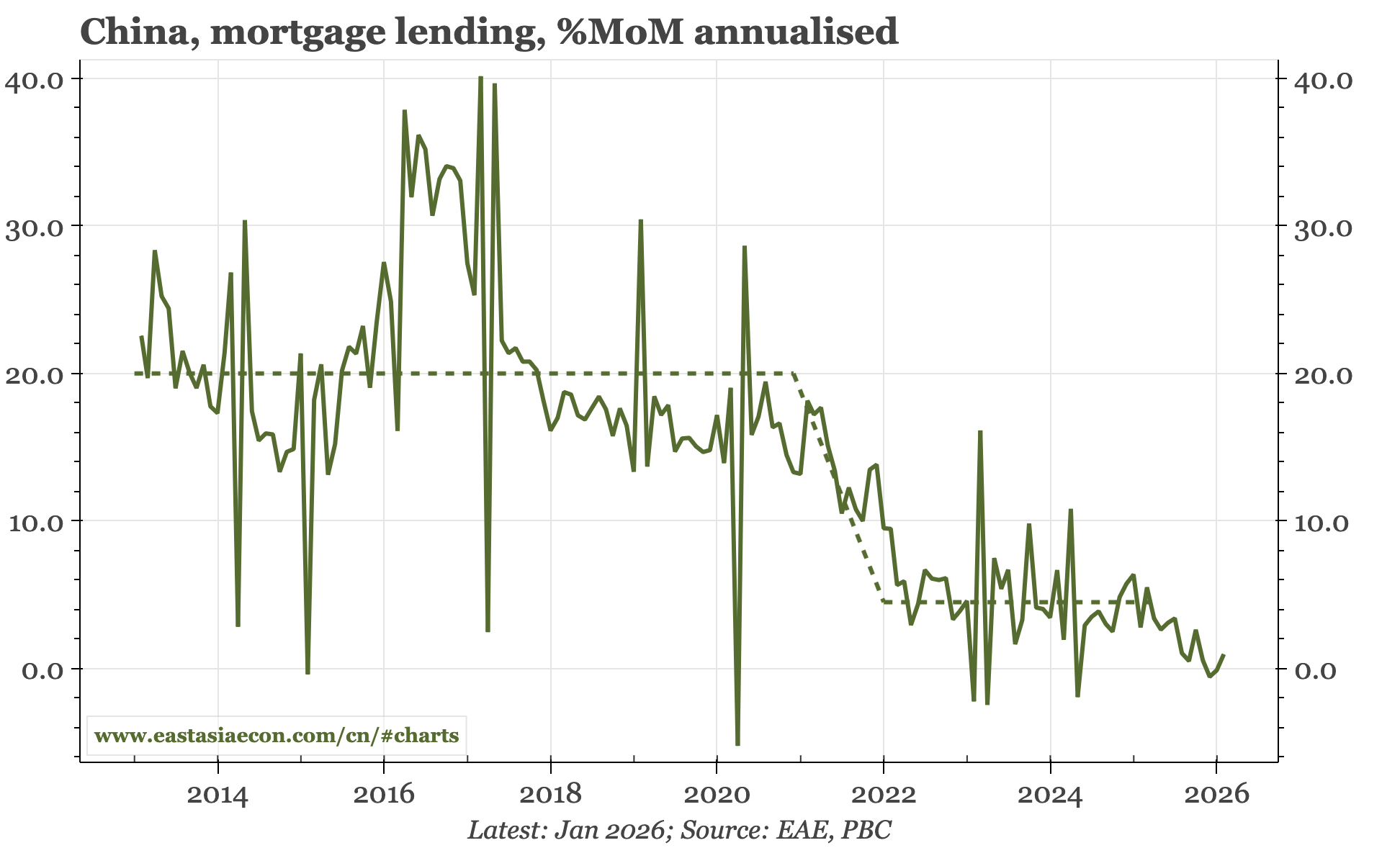
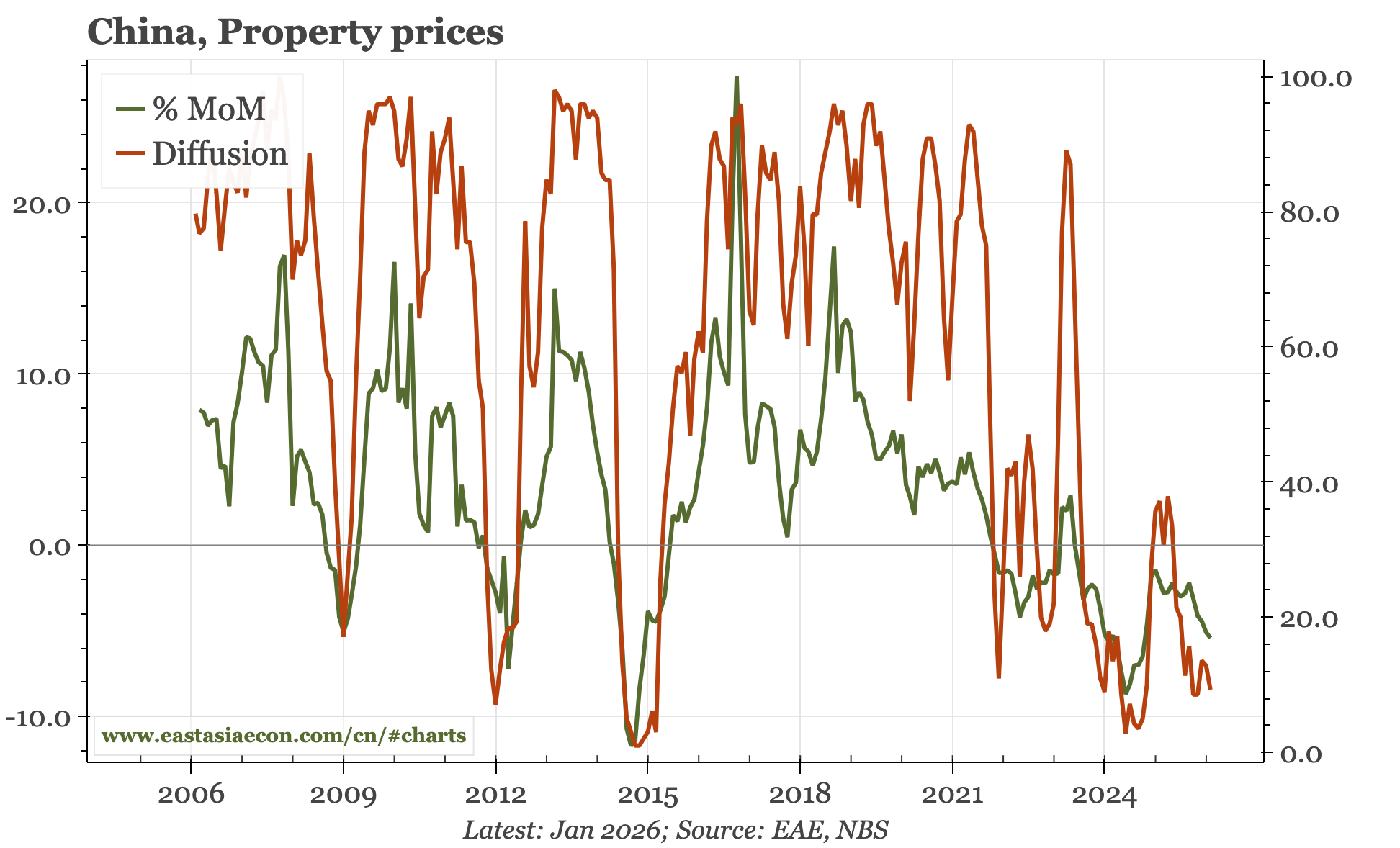
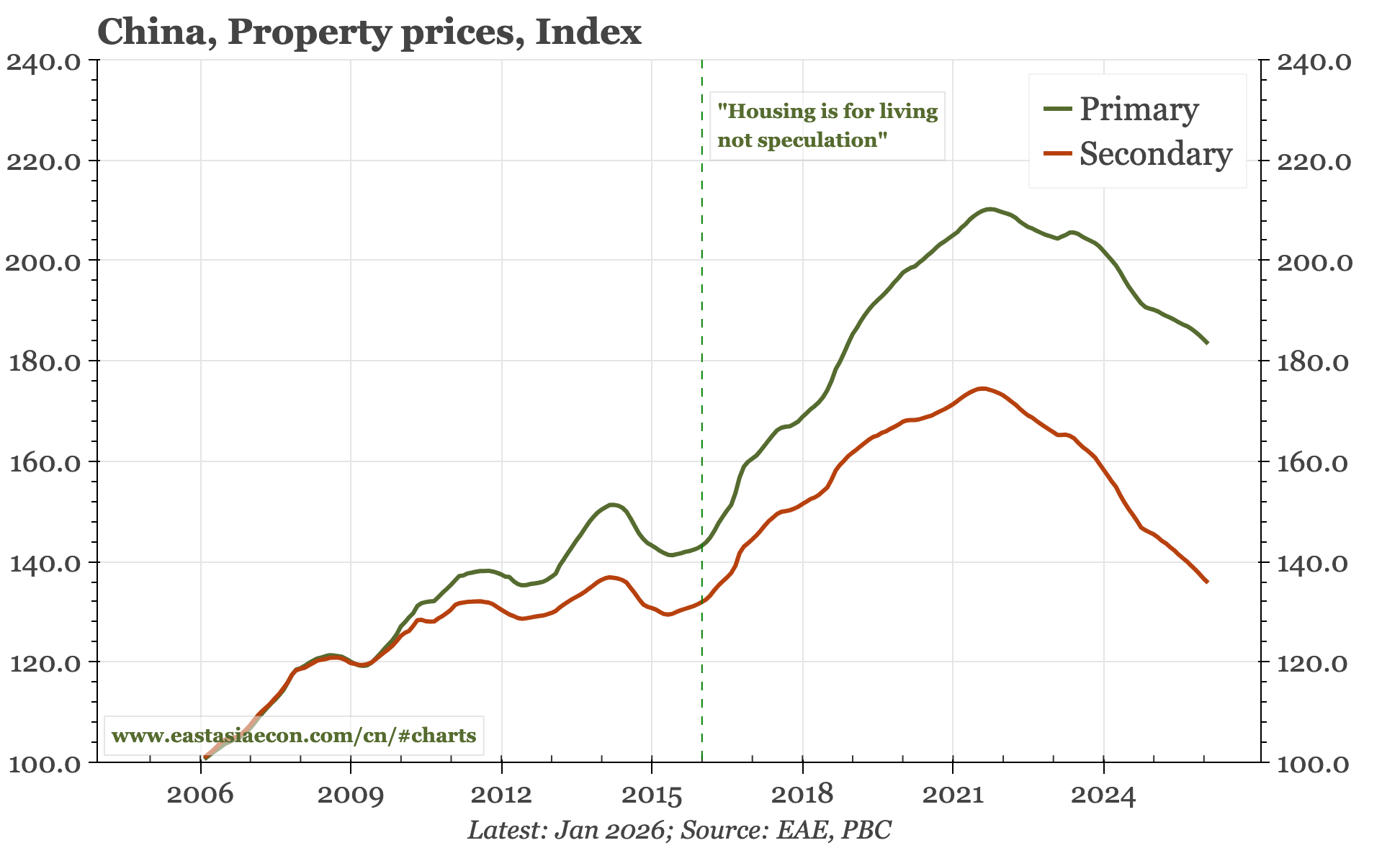
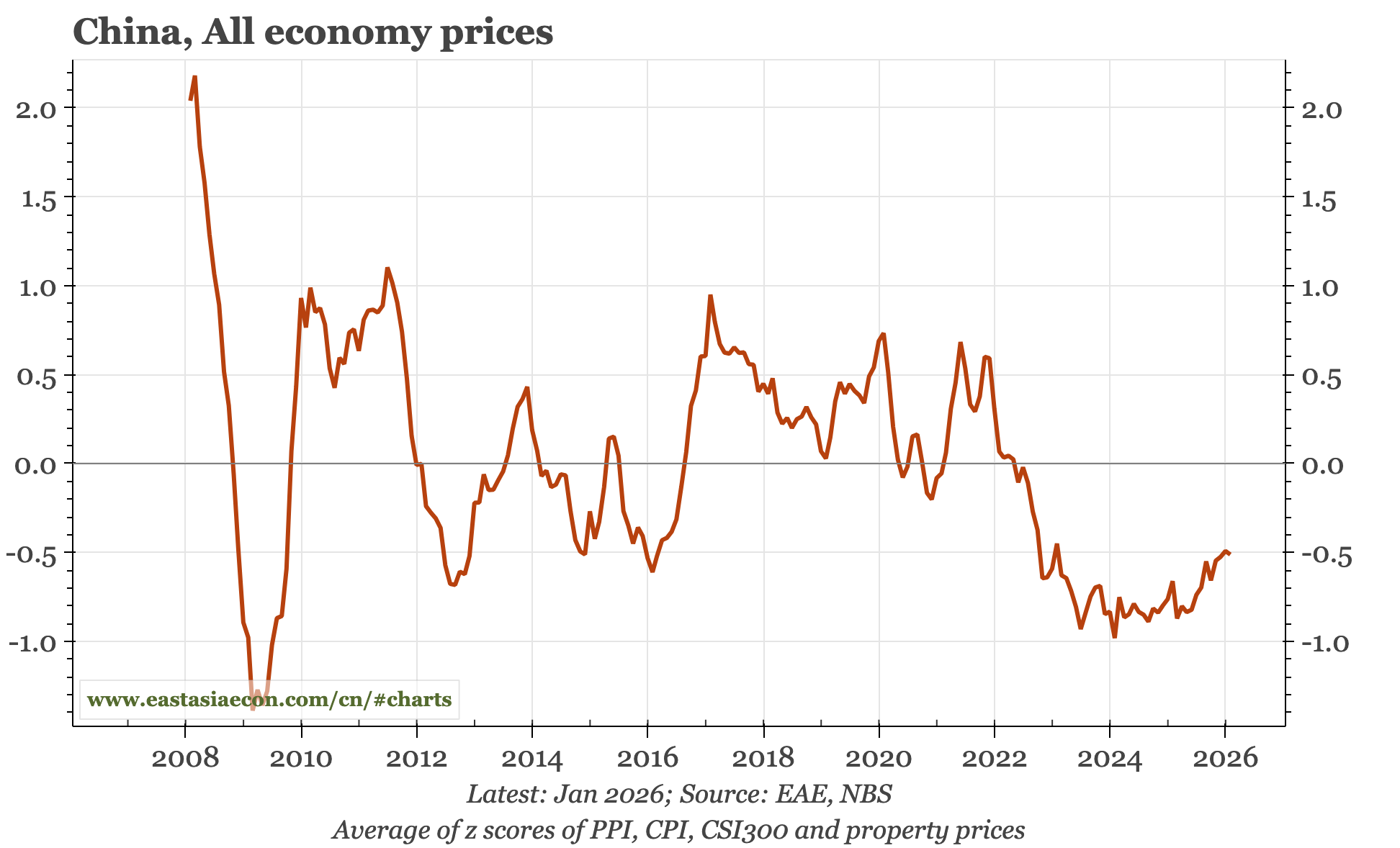
Cycle update – big inflows, sluggish domestic. January fx settlement data suggest large fx intervention for a second consecutive month. One reason is the CA surplus, which other data today show widened in Q4. Another is interest rates which are more stable, even though monetary trends aren't changing much, and property prices continue to fall.
If you aren't yet a subscriber, please consider becoming one! This daily product is designed for individuals, but we also have data services and a much more comprehensive offering for financial institutions. If you have any questions or feedback, please get in touch with me directly.
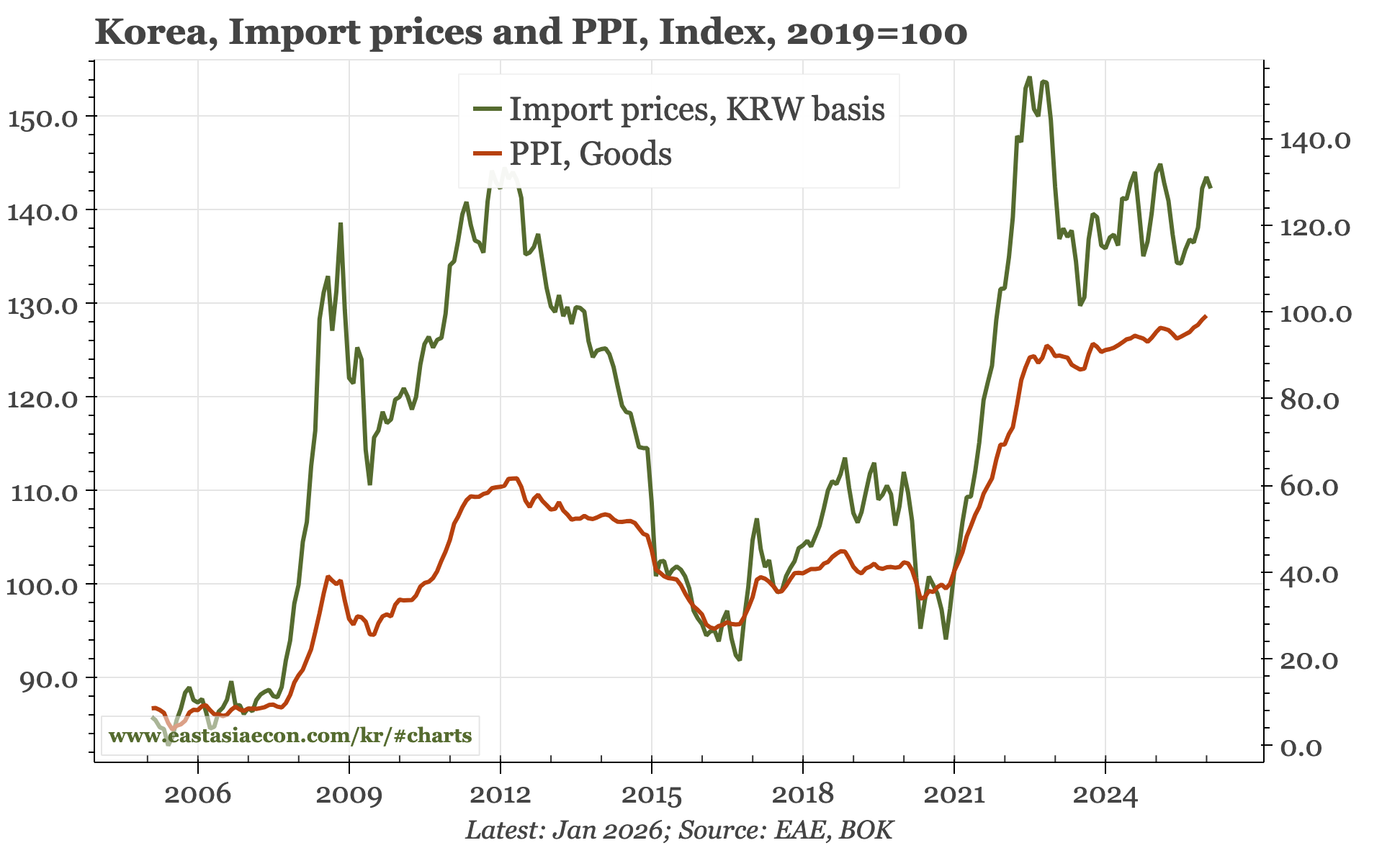
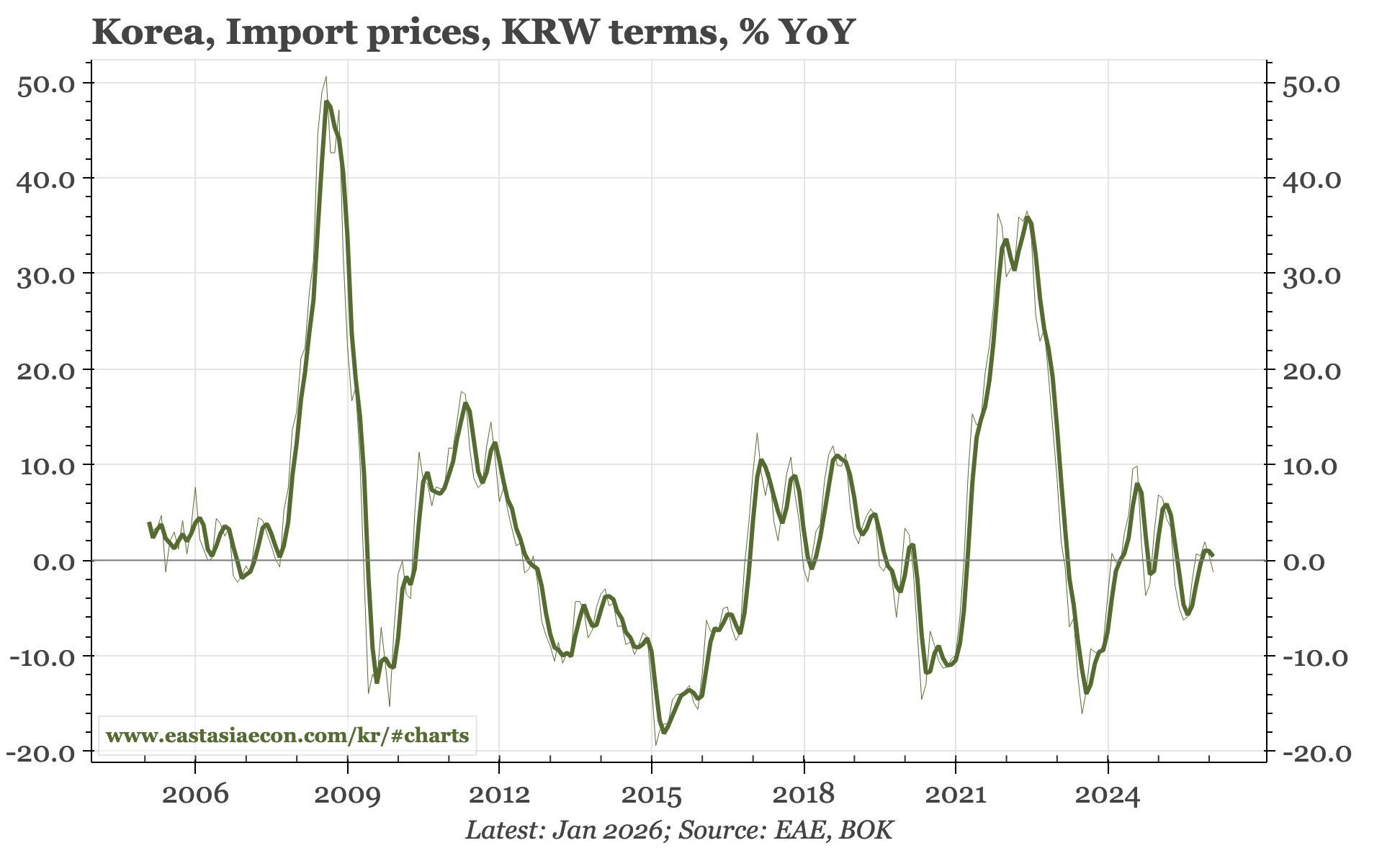
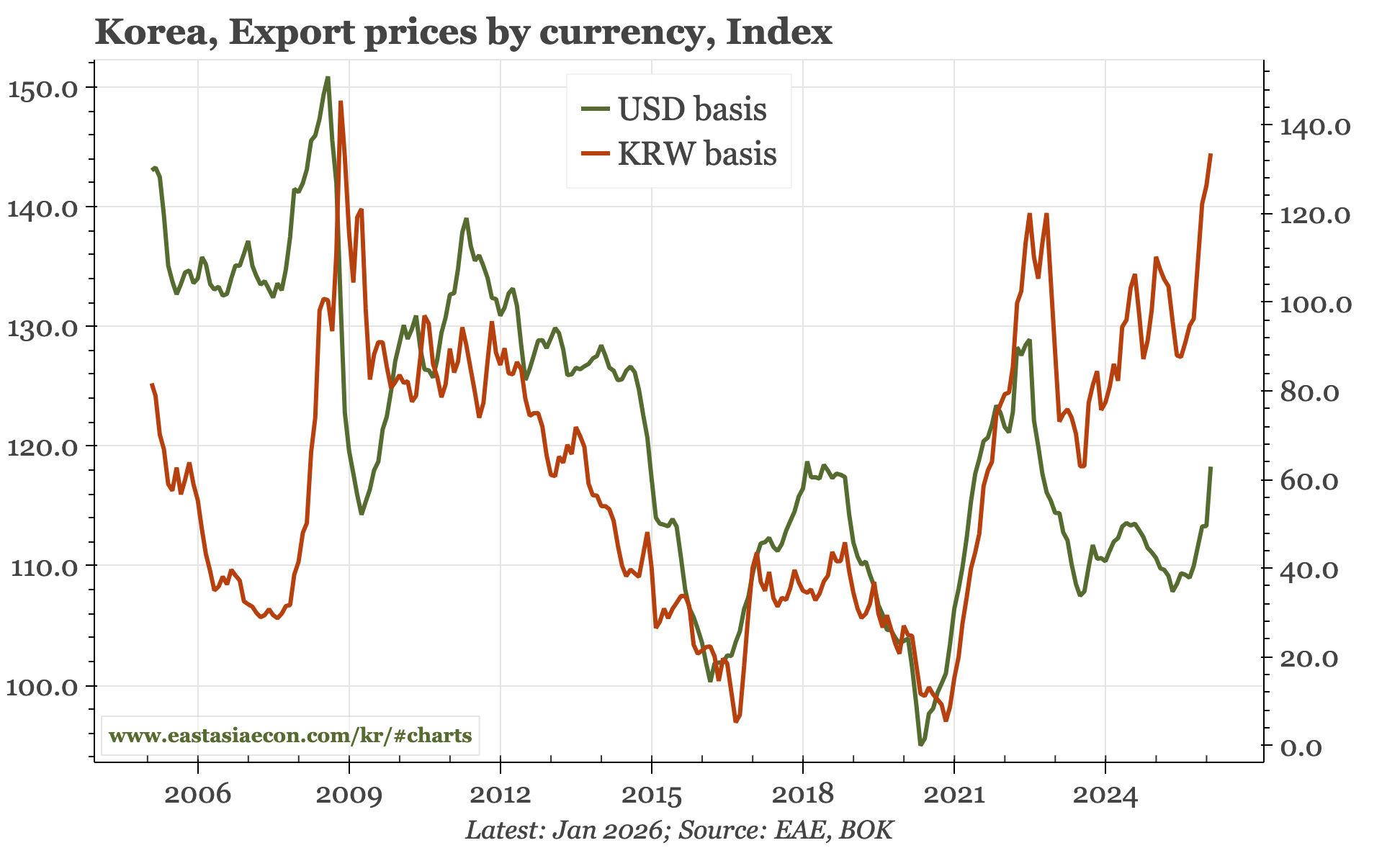
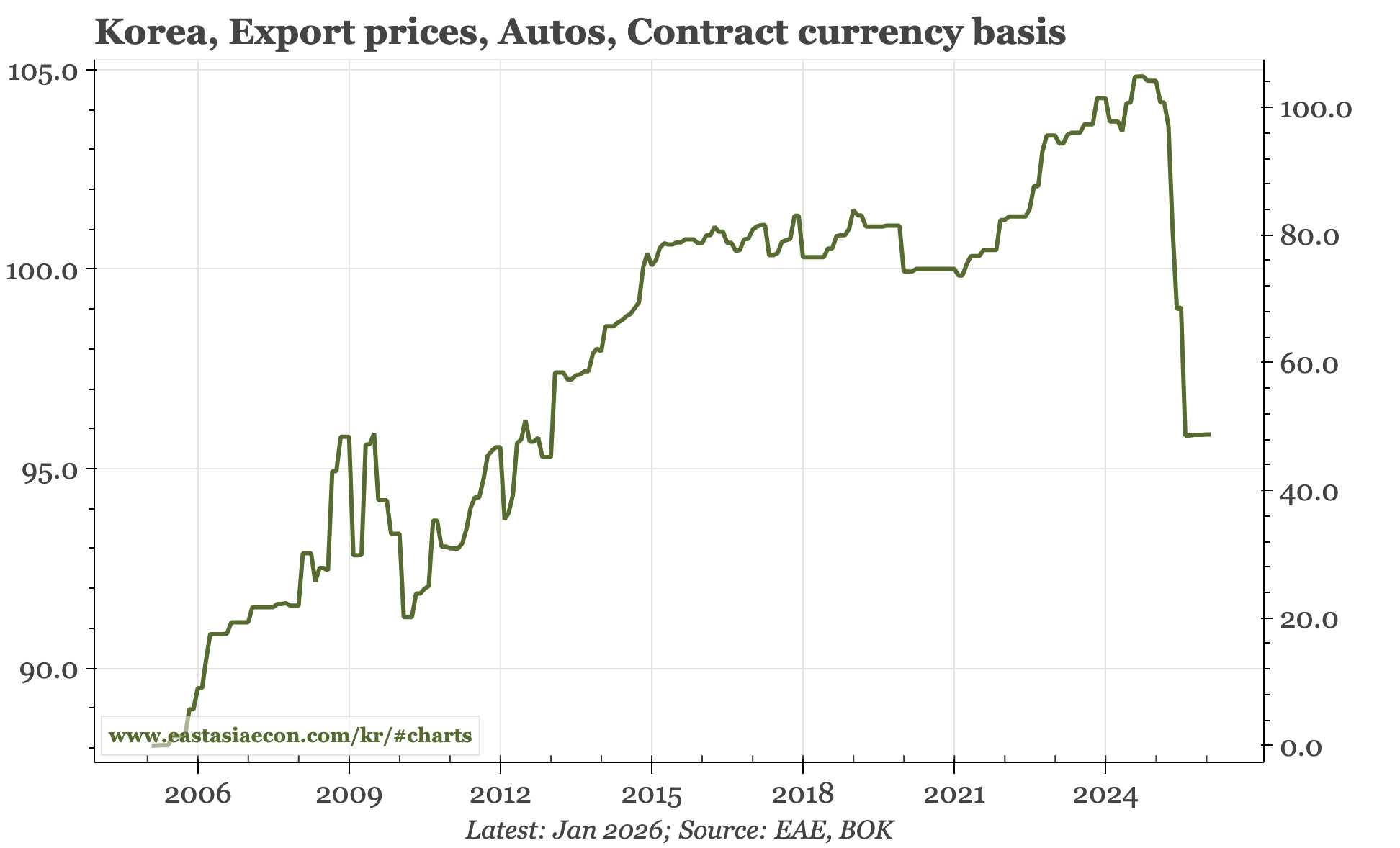
Import and export price trends look very much like those for Japan:
- Import prices remain elevated, and as a result, continue to support the level of PPI. But import prices aren't moving in a way that warns Korea is about to face a new wave of inflation.
- Export prices, meanwhile, are rising. In Korea, that's despite any rebound in auto export prices, but more than Japan, Korea is benefiting from the rise in global semiconductor prices.
- With export prices rising more than import prices, the terms of trade are improving. That provides a tailwind for domestic incomes.
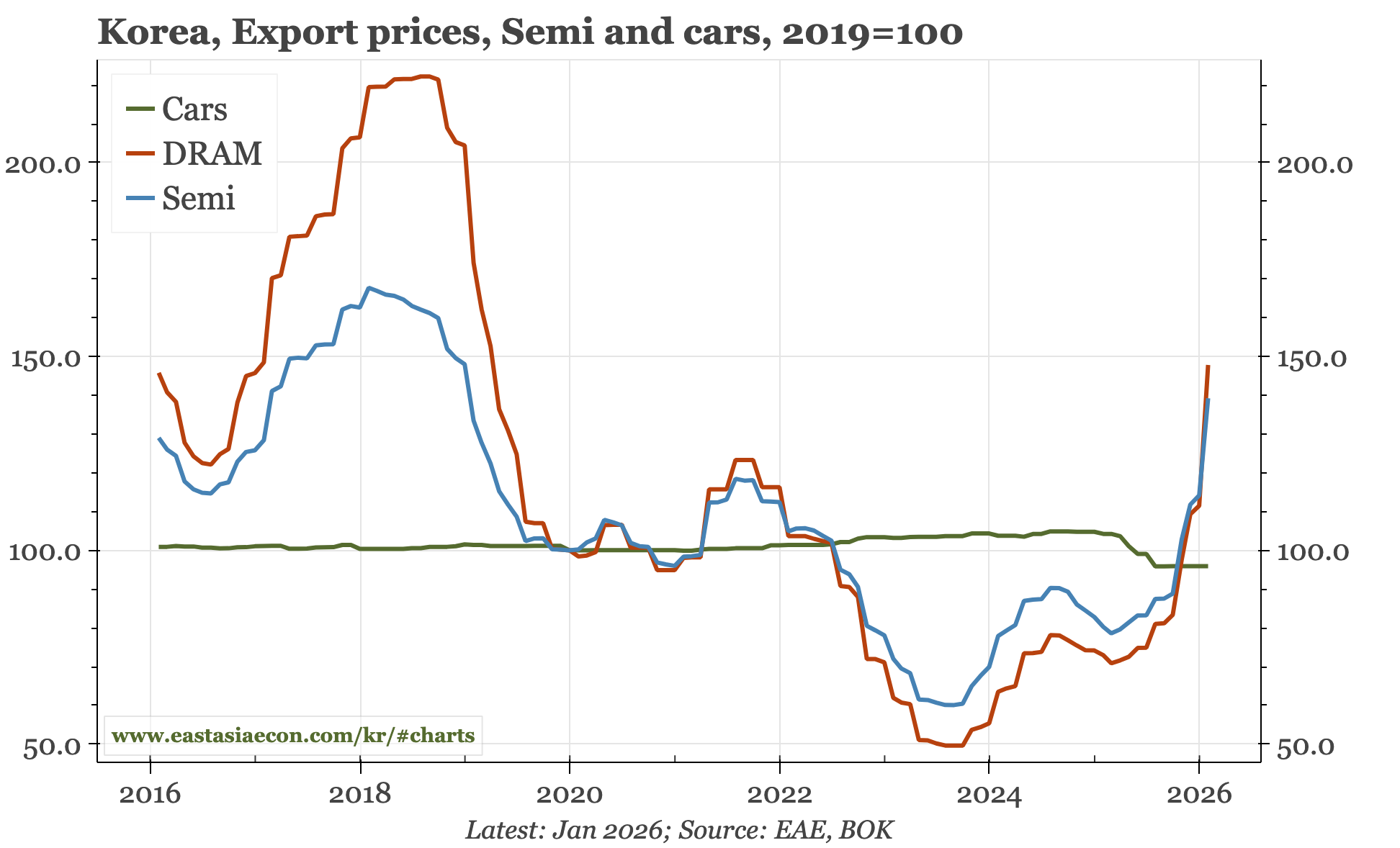
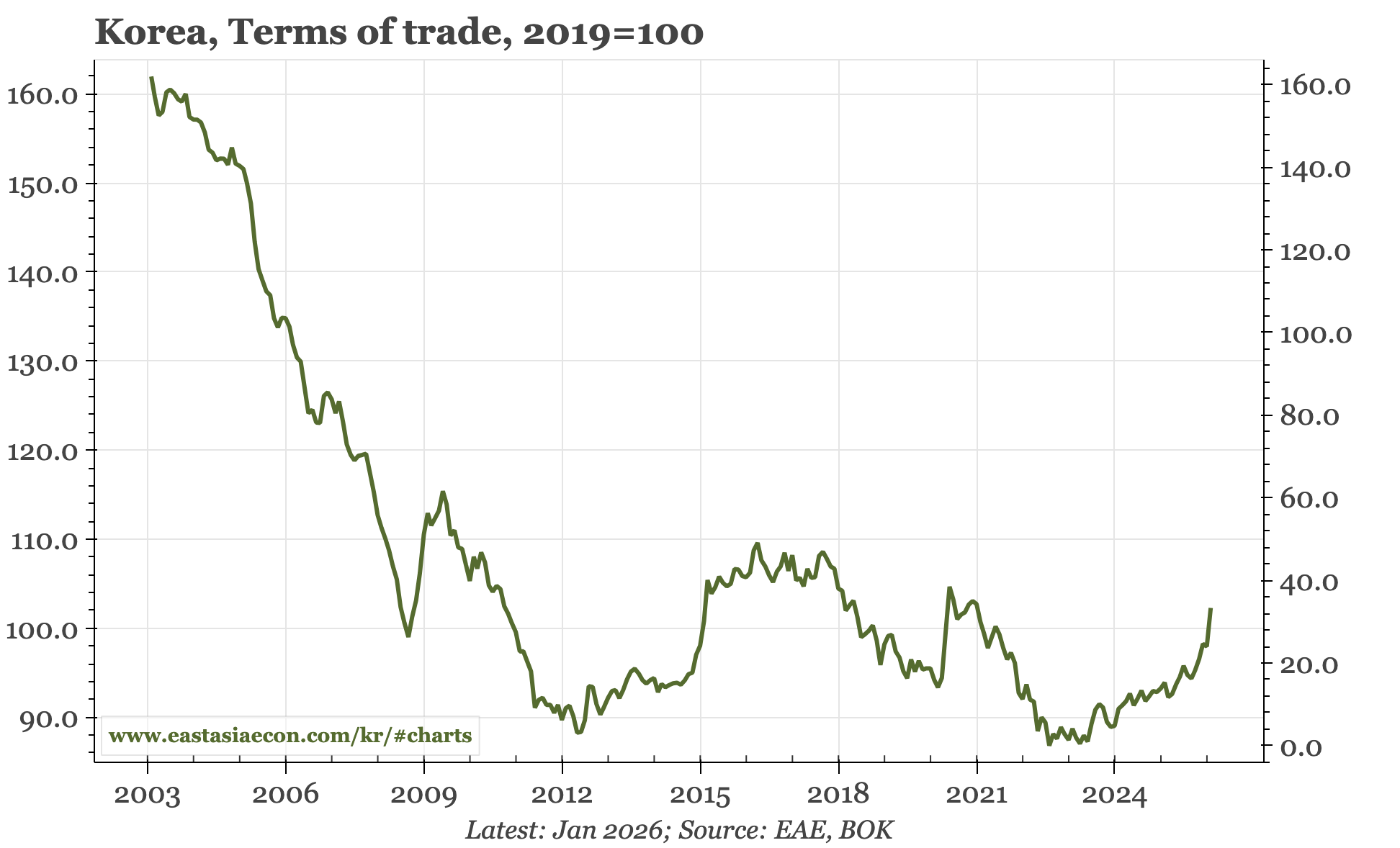
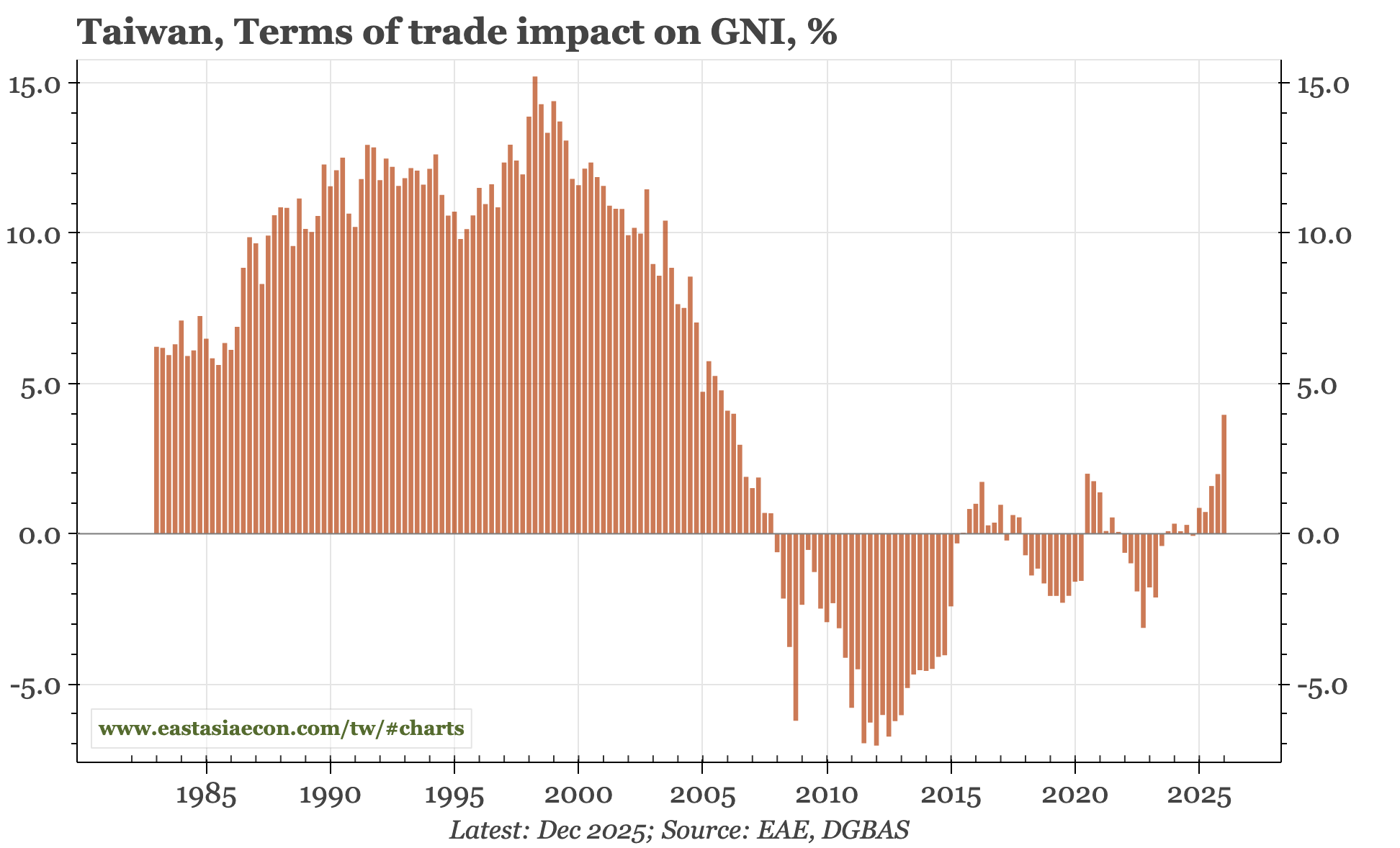
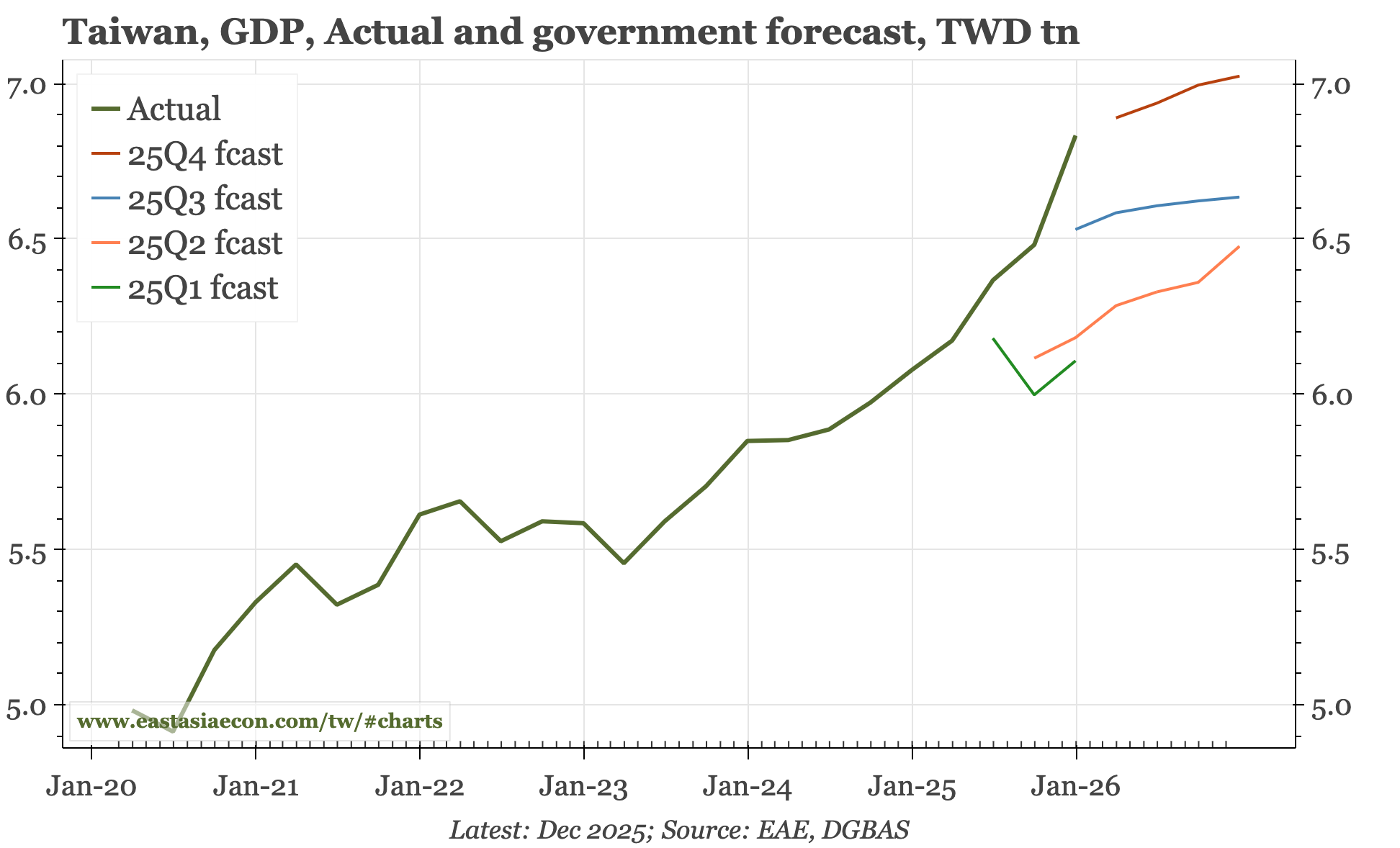
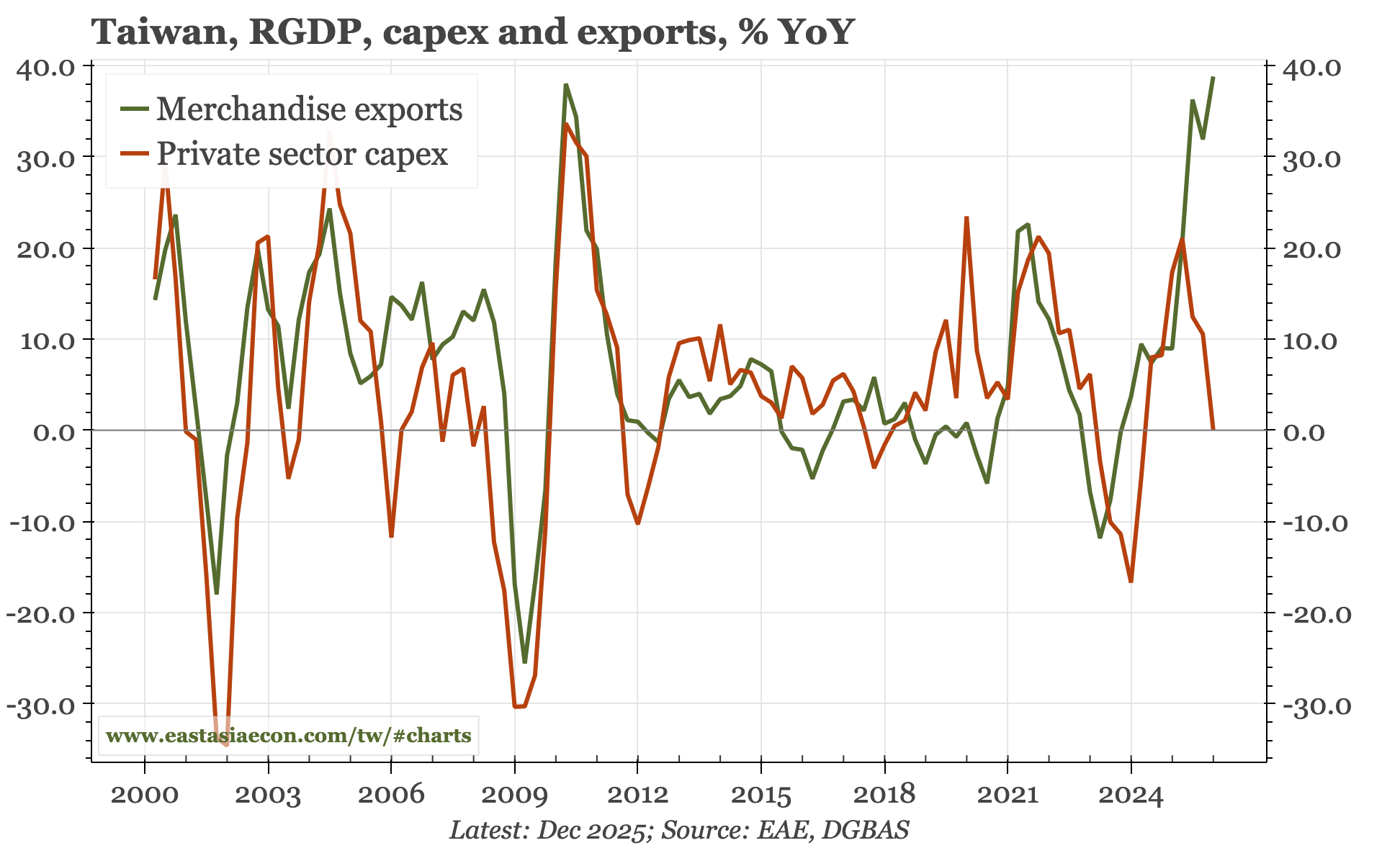
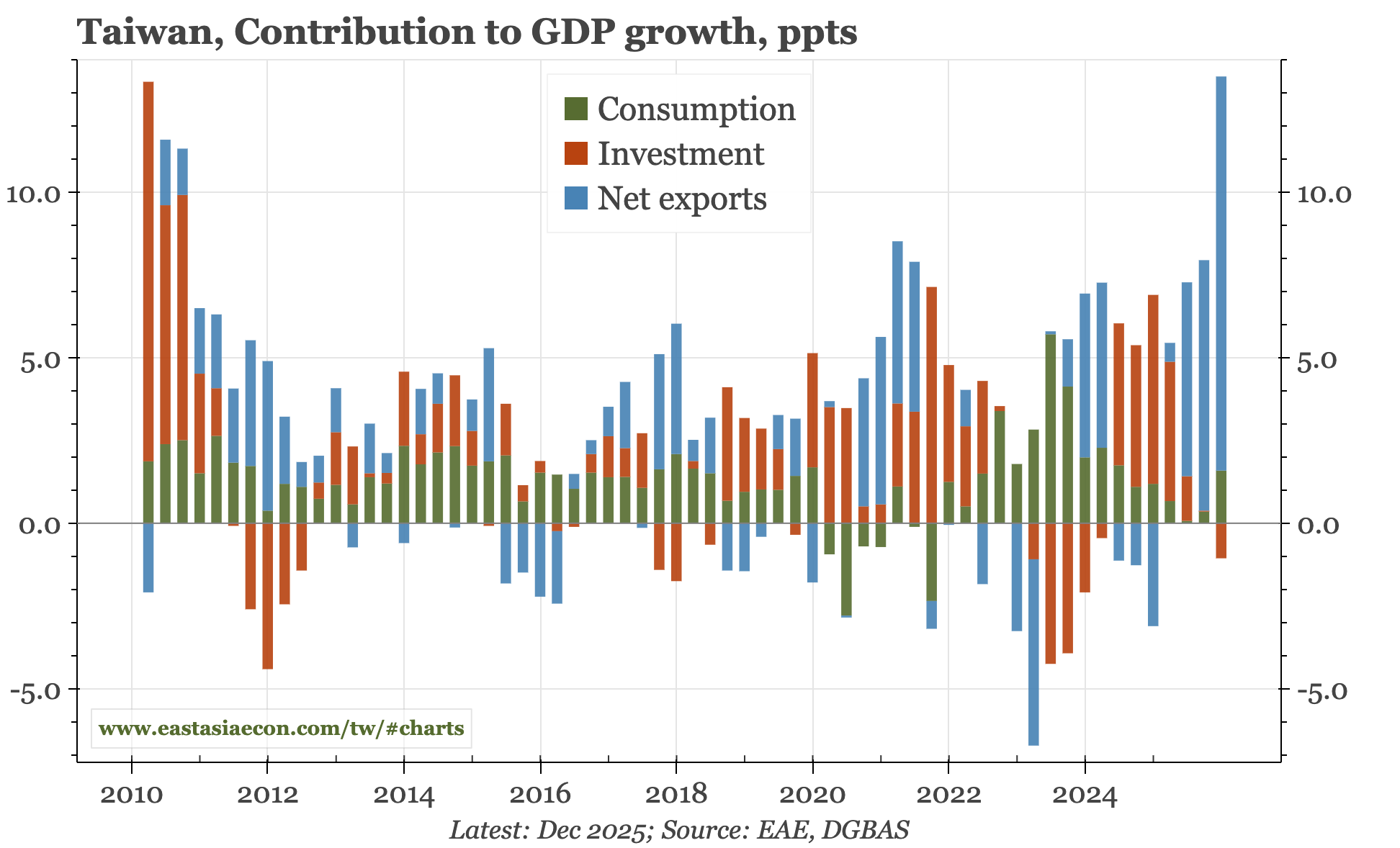
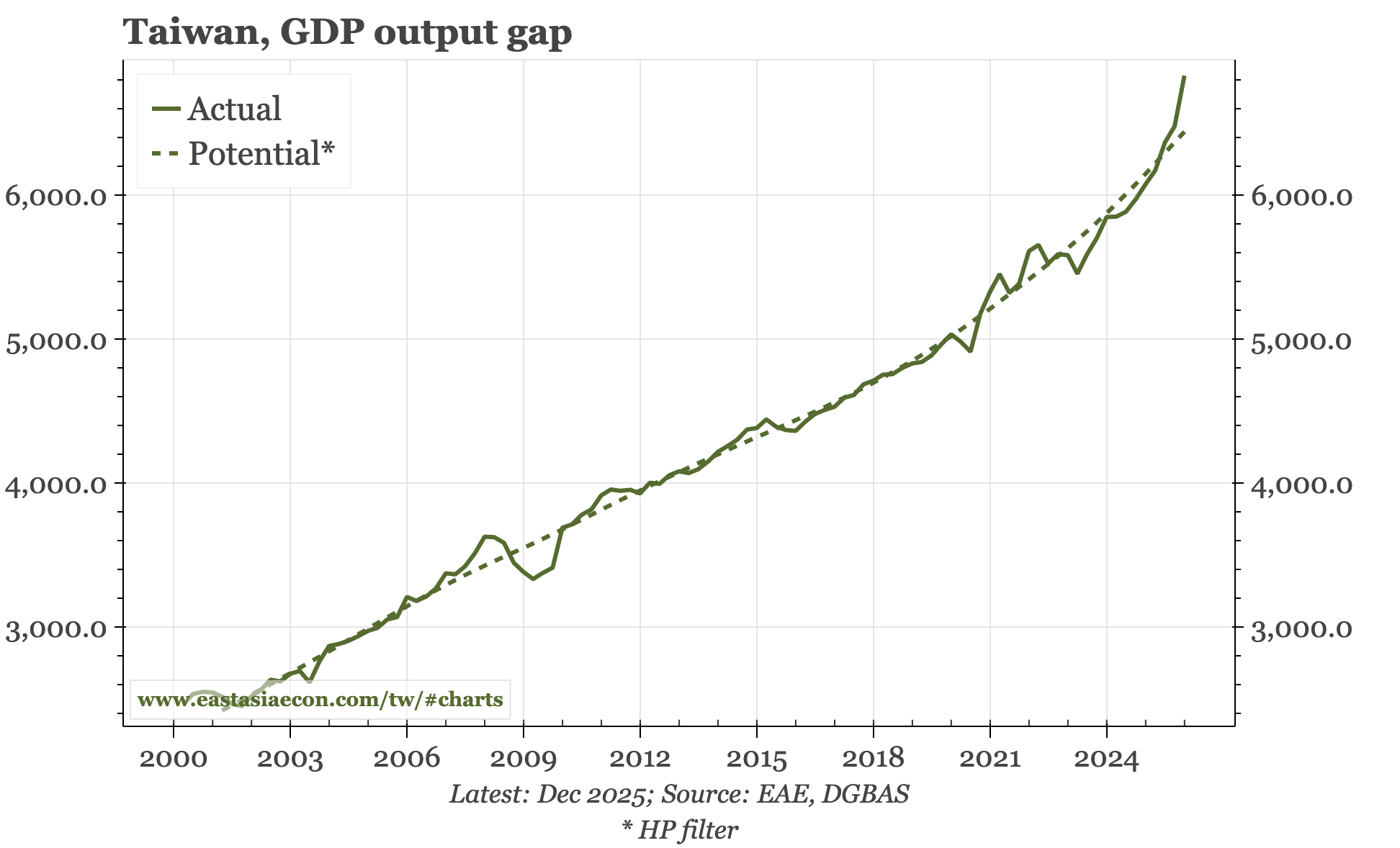
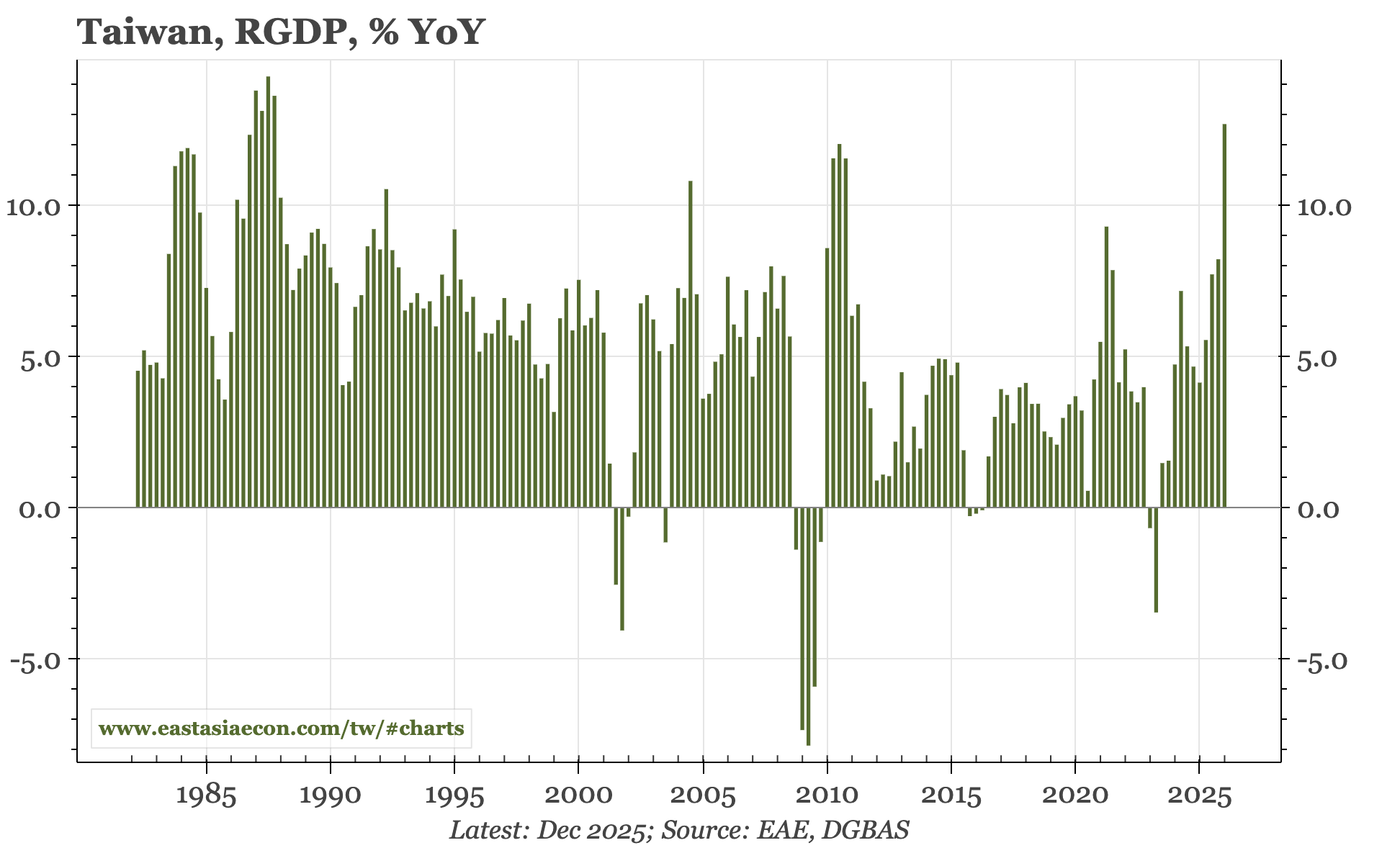
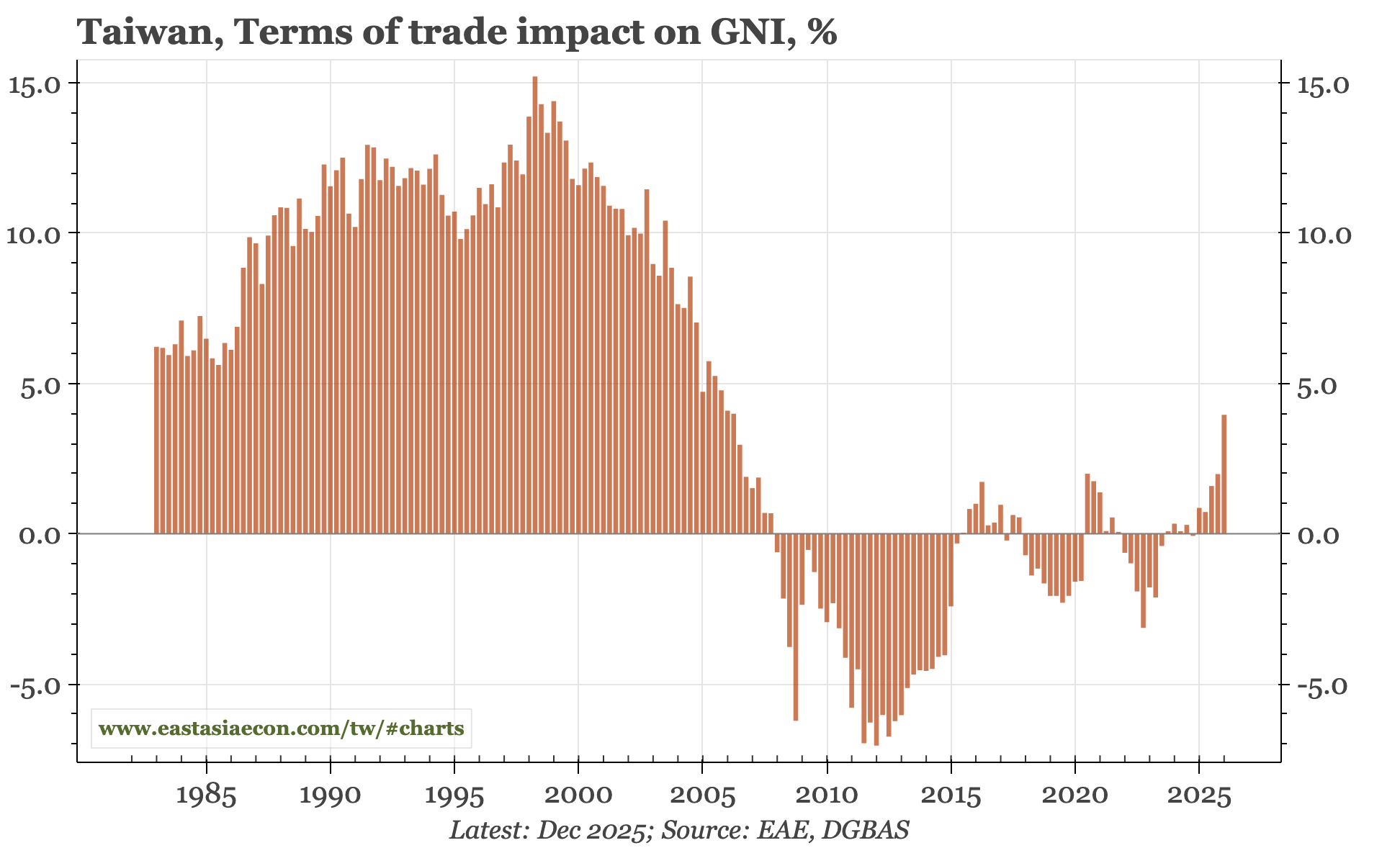
That regional recovery in the terms of trade is visible in today's full Q4 GDP release for Taiwan. The terms of trade are now making the biggest contribution to real incomes since 2005. That is at a time when GDP is already rising quickly, a trend that the government now expects to continue. Today, it raised its forecast for growth in 2026 from 3.5% to 7.7%. It increasingly looks like 2020 marked a turning point for Taiwan's economy, a shift that should show up more in financial markets in 2026.