East Asia Today
Highlights of the BOJ meeting, and charts of the CPI release. China export data for August show some weakness in EV shipments, but that is likely noise after a very strong July. PPI inflation in Korea ticked up in August, and with the rise in oil prices, is likely to be higher again in September.


I am travelling today, so this update is earlier than usual. From next week I am back in Asia, so publication will once again settle at around 6pm Taiwan time.
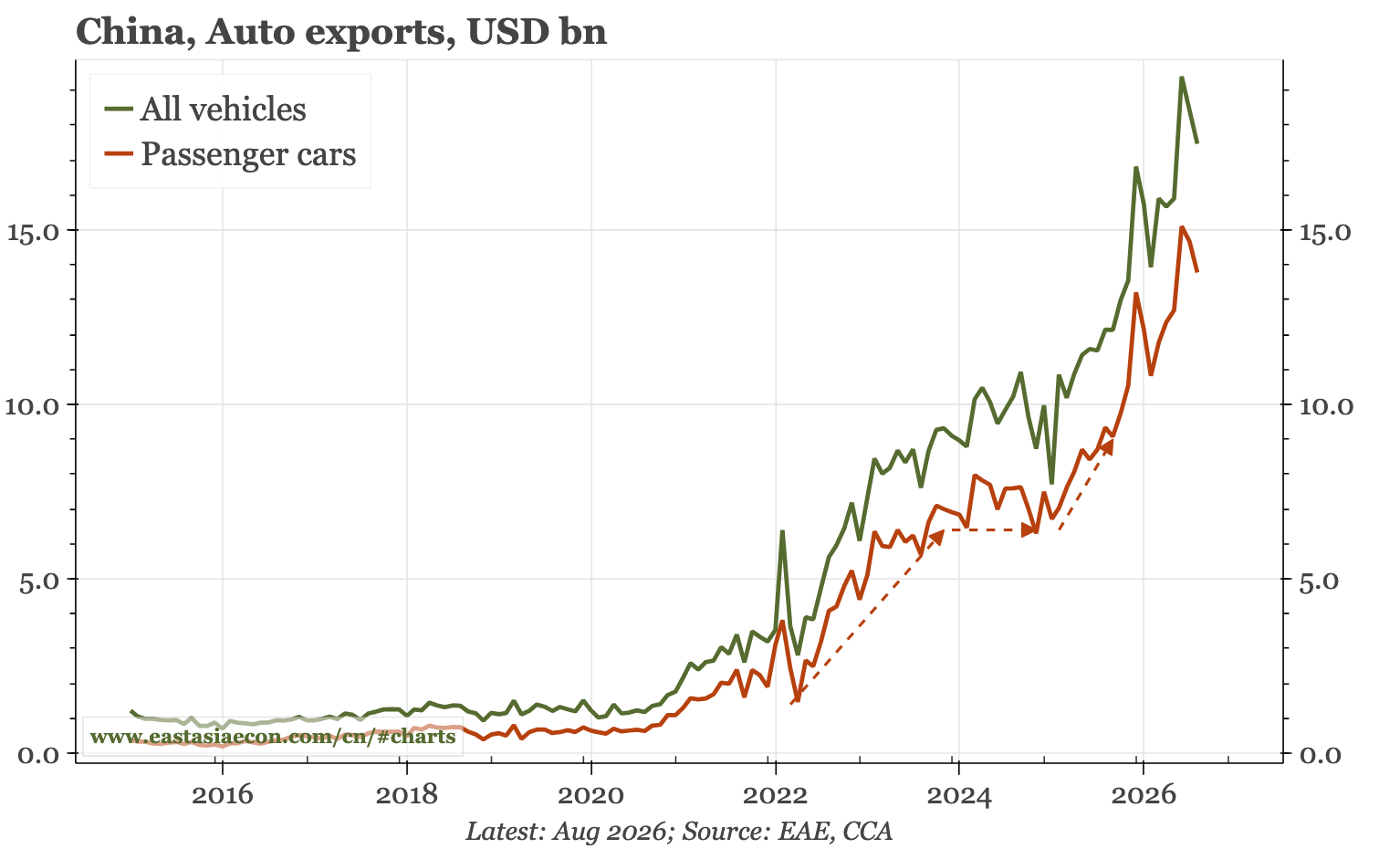
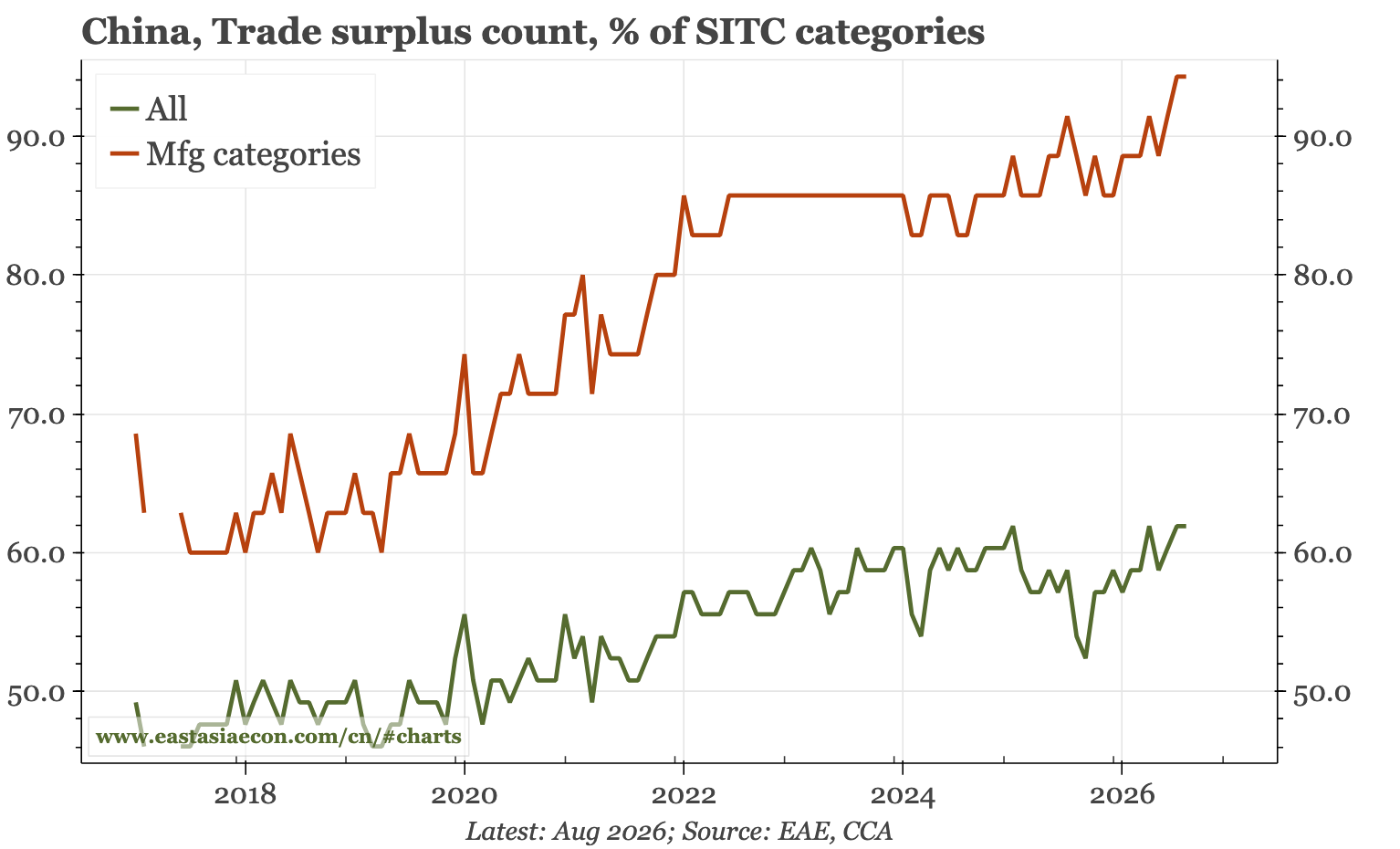
The second release of China's trade data for August show the fallback in auto exports was because of EVs. But that comes after a particularly strong July, so is likely noise rather than a change in trend. Import growth has been strong this year, and while there probably has been some modest rise in underlying demand, more of the driver is the rise in prices for AI tech. Despite that, China's trade surplus in manufactured goods has almost doubled since 2020. The surplus in traditional goods isn't increasing, but nor has it fallen, and is rising in most other product categories.



More detailed trade data for China can be mapped and charted here:
 Paul Cavey
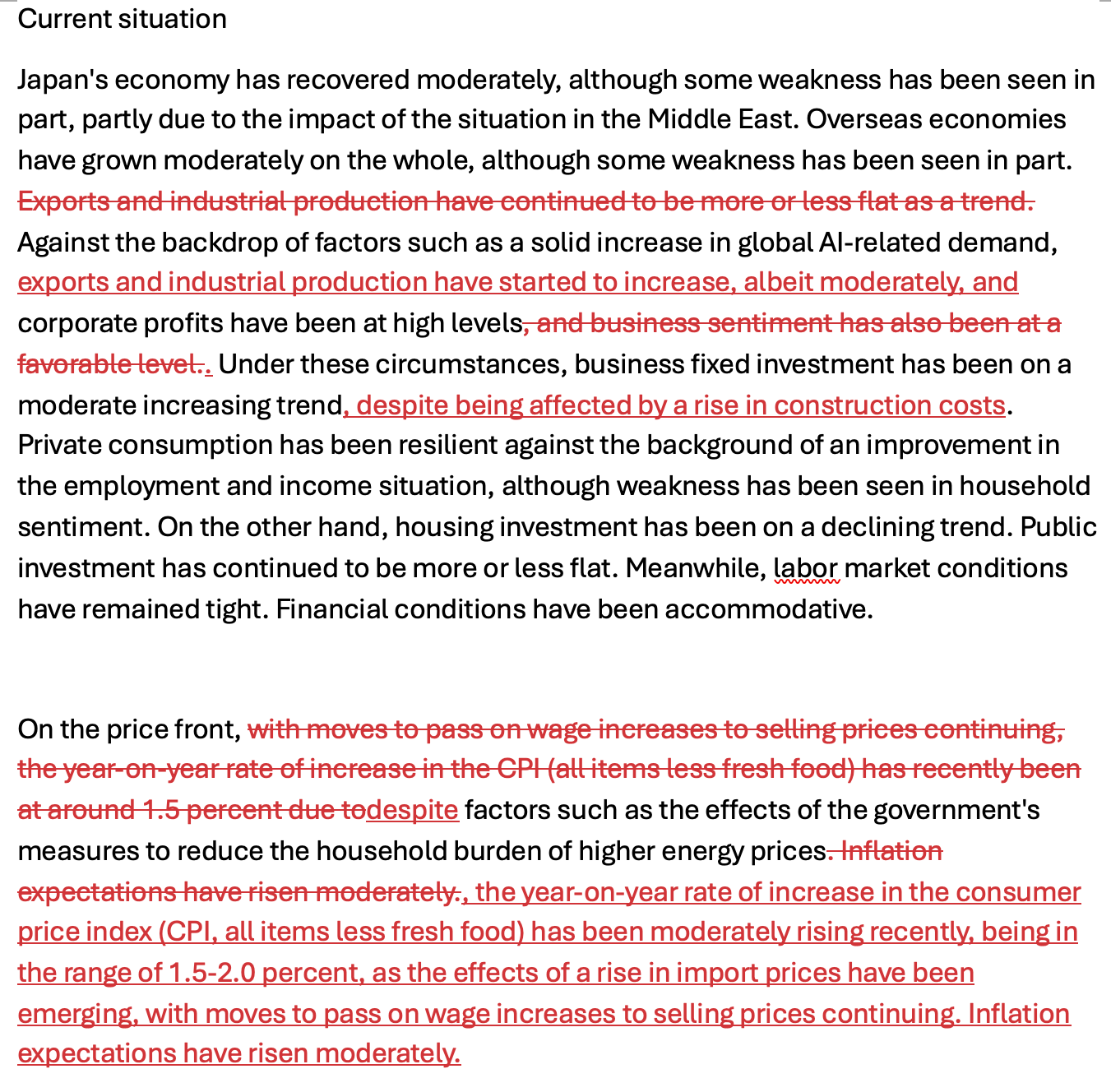
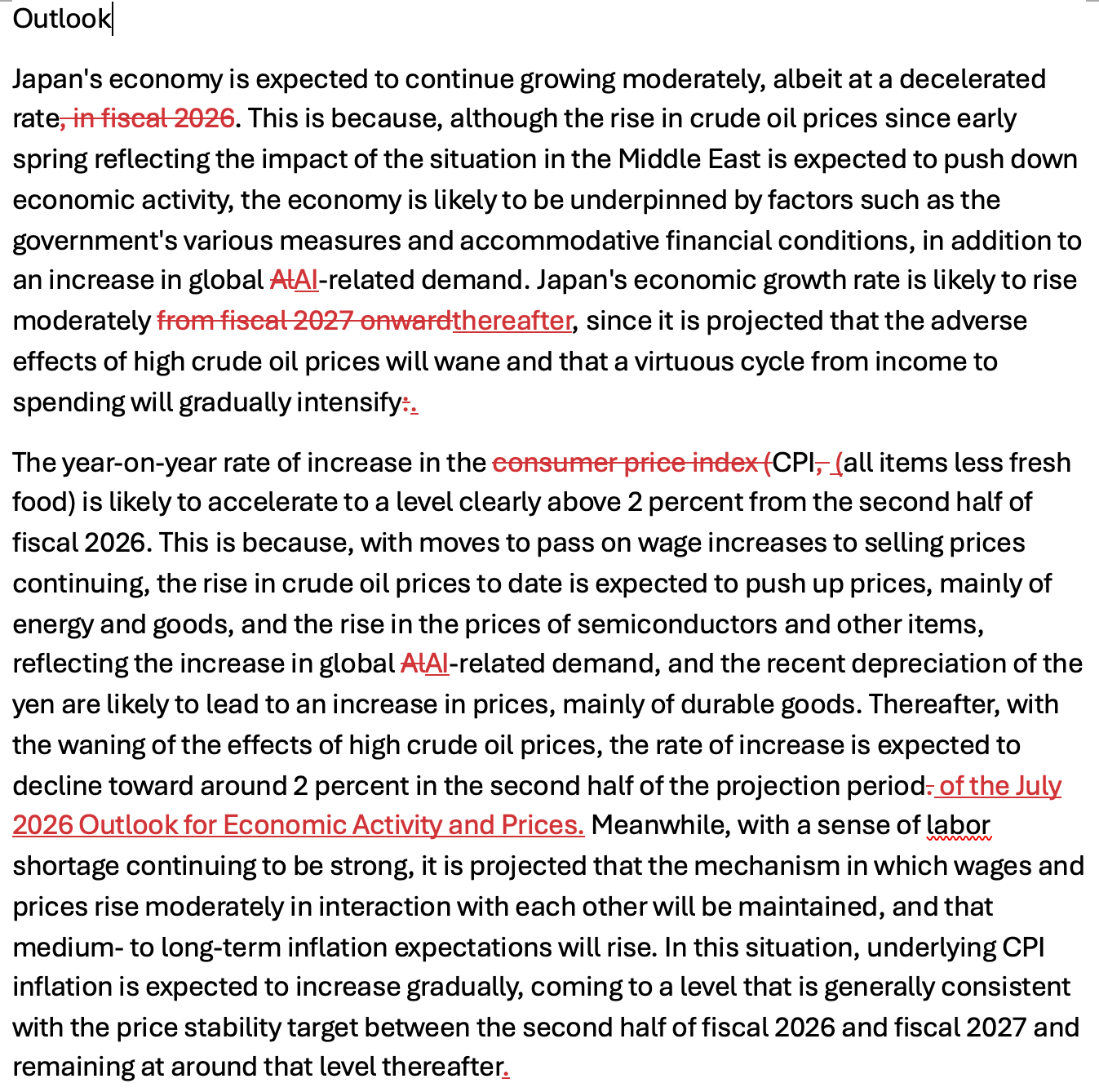
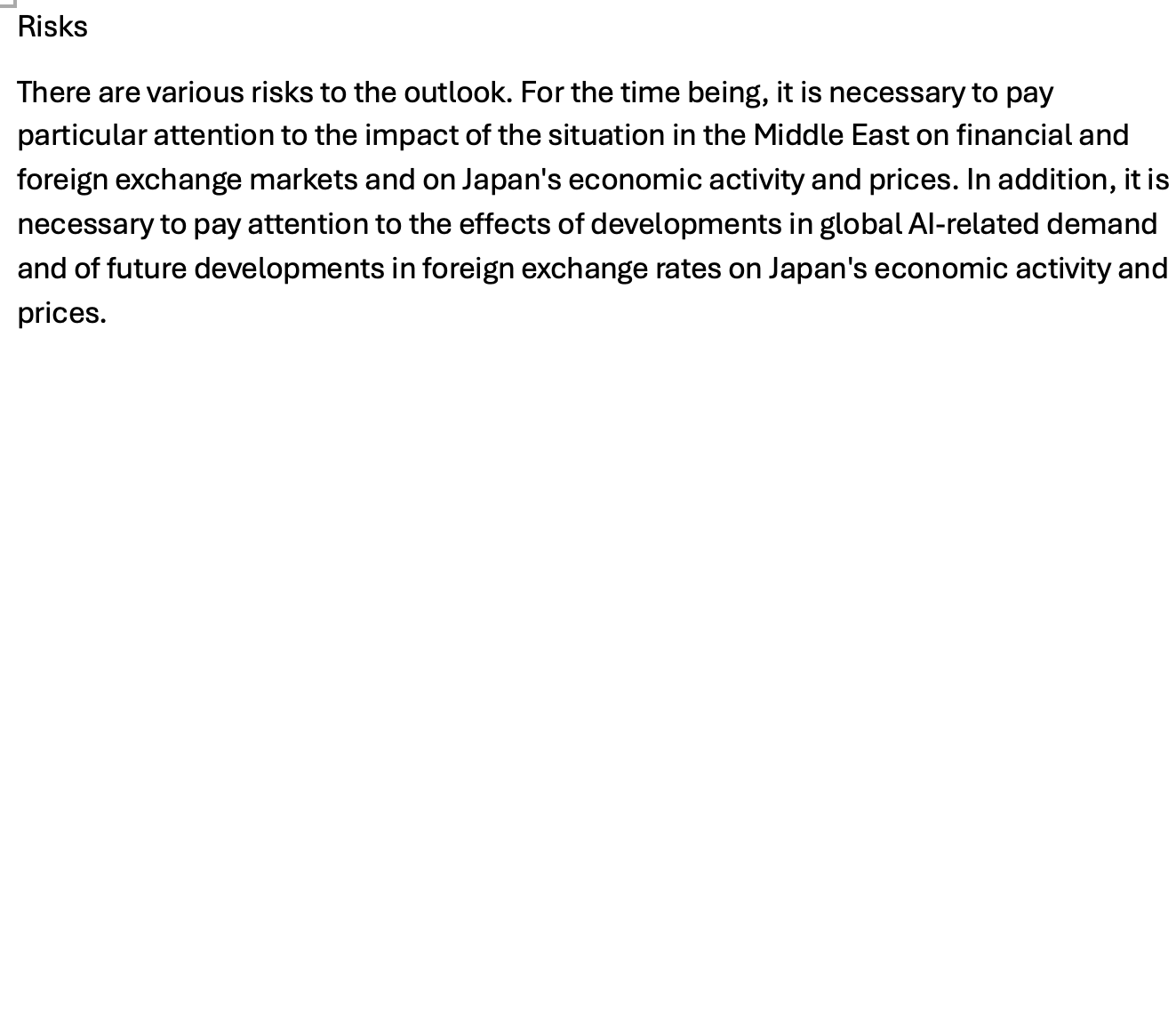
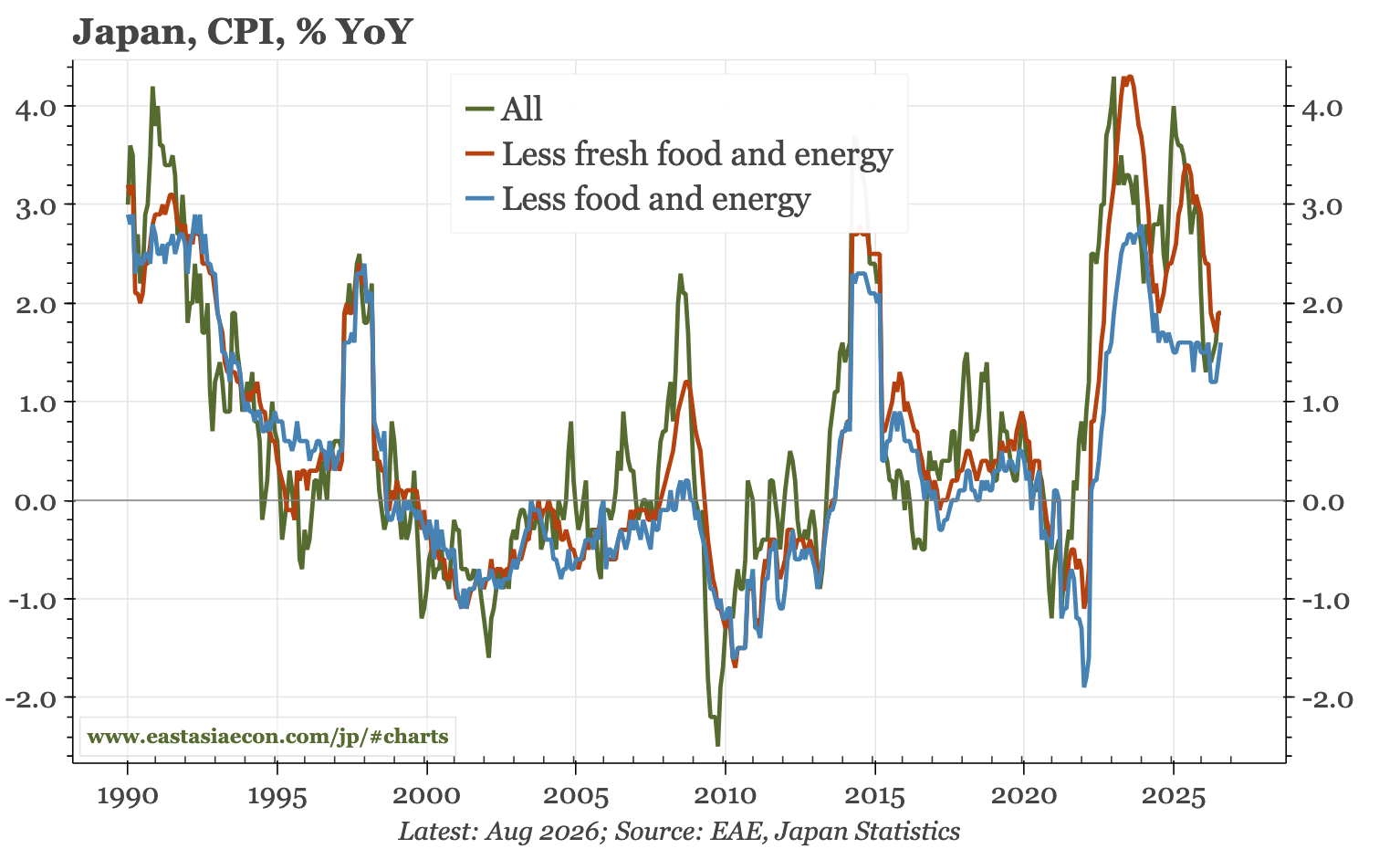
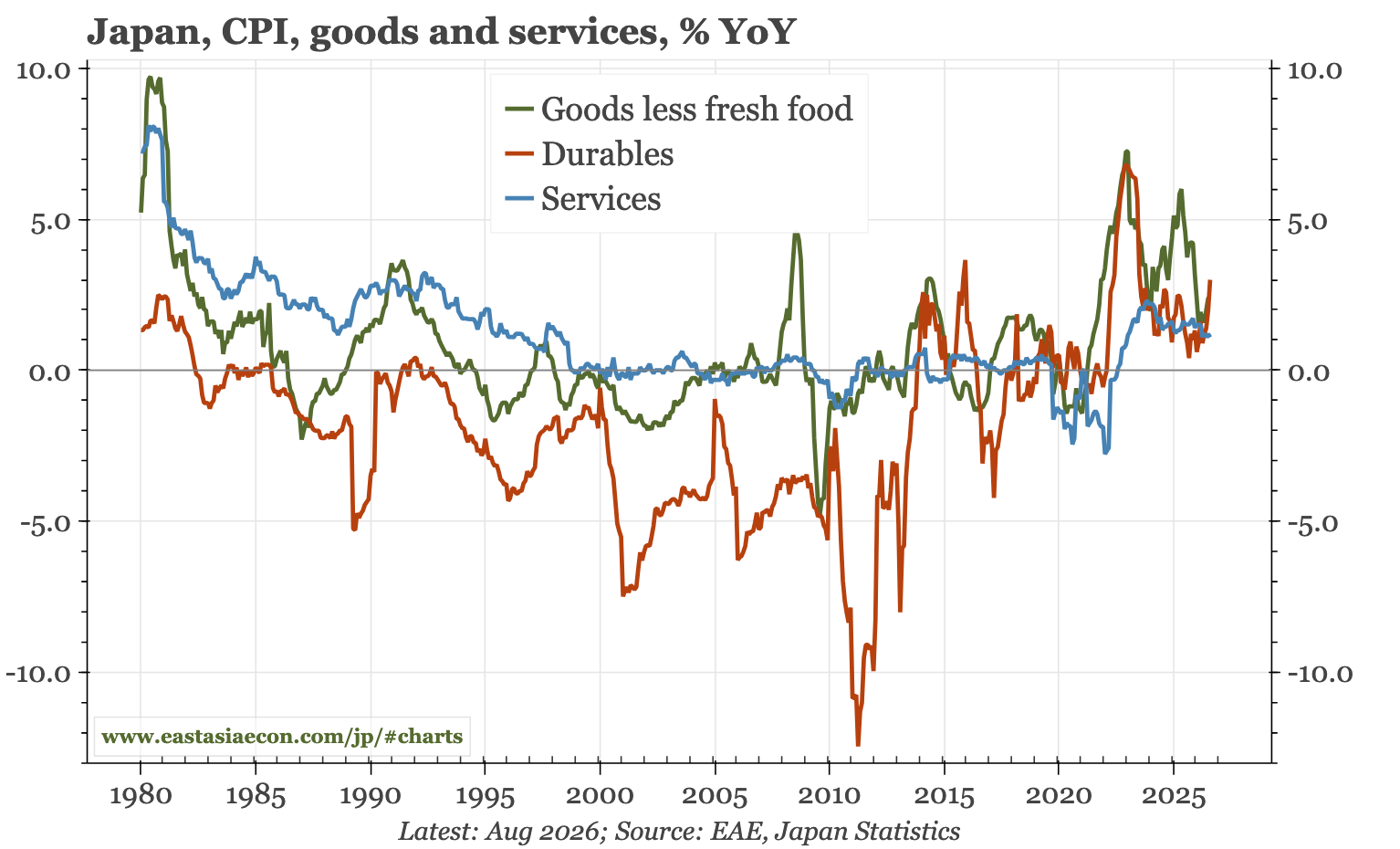
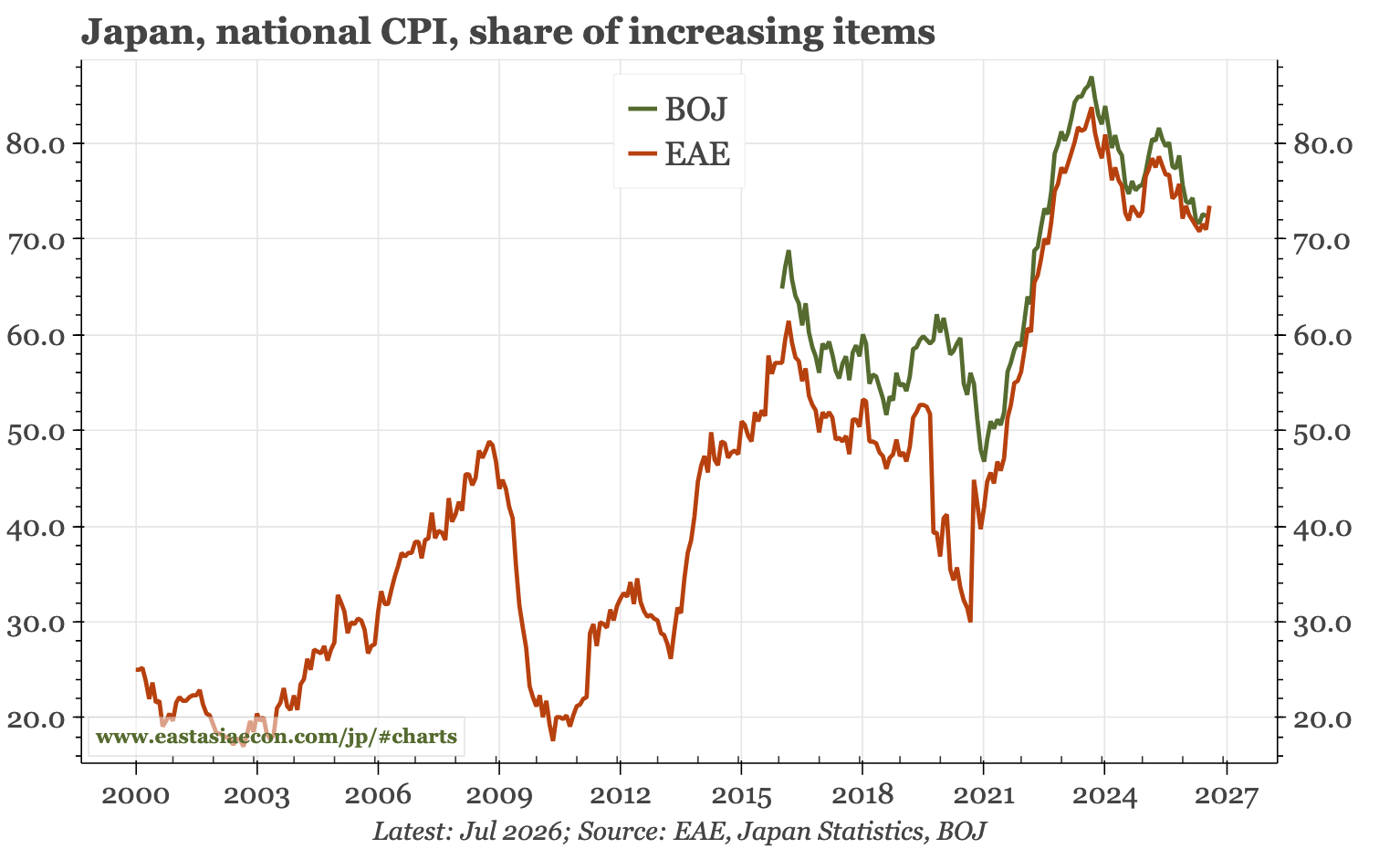
As expected by everyone (probably), the BOJ hiked today. The statement acknowledged the recent improvement in manufacturing momentum, as well as the acceleration in inflation that was seen in today's national CPI data. However, the bank's outlook didn't change: the rise in inflation was expected, and presumably the rise in IP hasn't been big enough yet. The tone of the meeting was mildly dovish, because the two recent Takaichi appointees to the board opposed the decision to hike, and that matters more than the dissent from the other direction from the two existing hawks. That pushes back against market expectations for 50bp or back-to-back hikes, but then again, neither had seemed likely to me. Ueda's press conference comments don't look to be particularly hawkish.
September v July statement highlights



If you aren't yet a subscriber, please consider becoming one! This daily product is designed for individuals, but we also have data services and a much more comprehensive offering for financial institutions. If you have any questions or feedback, please get in touch with me directly.
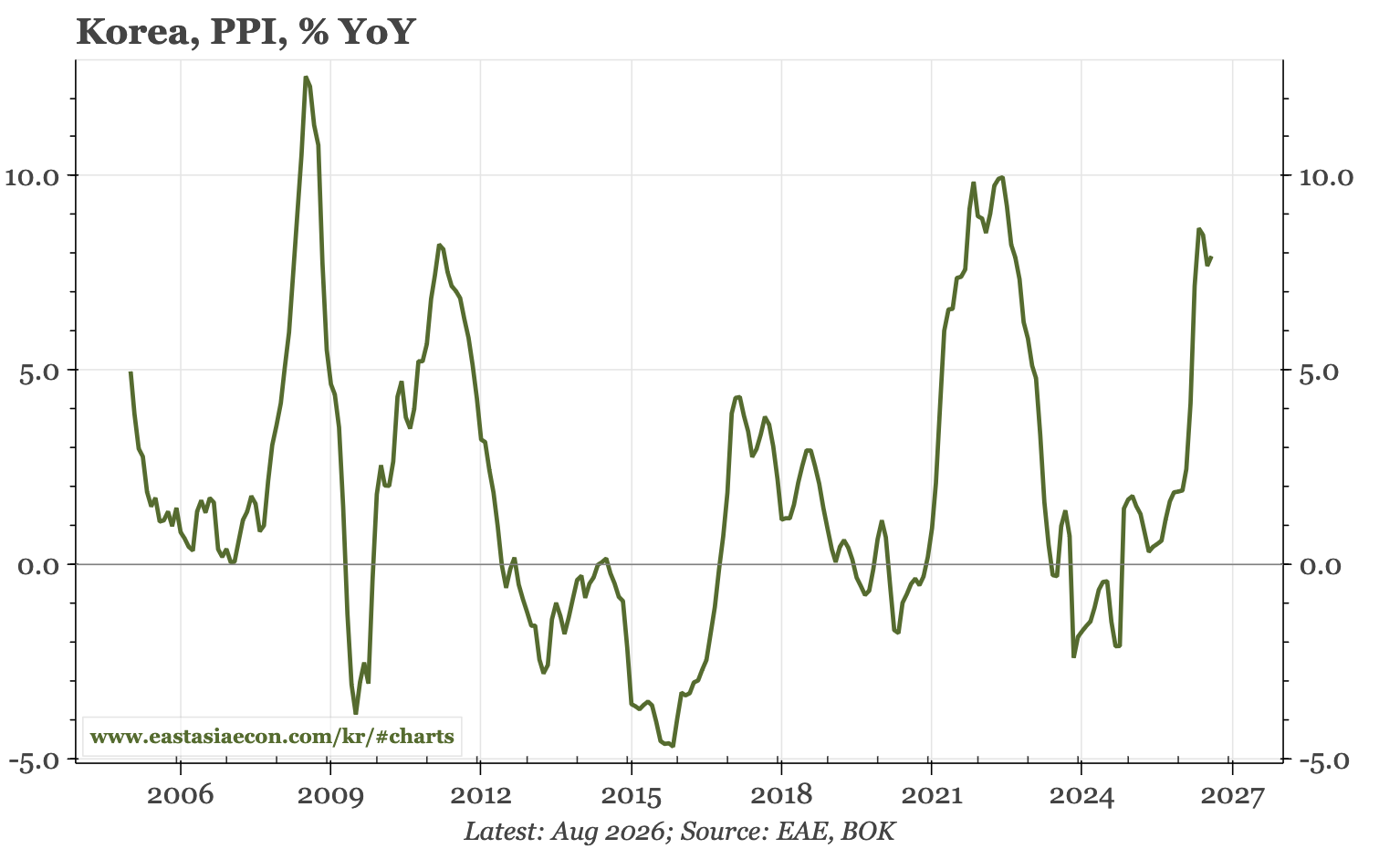
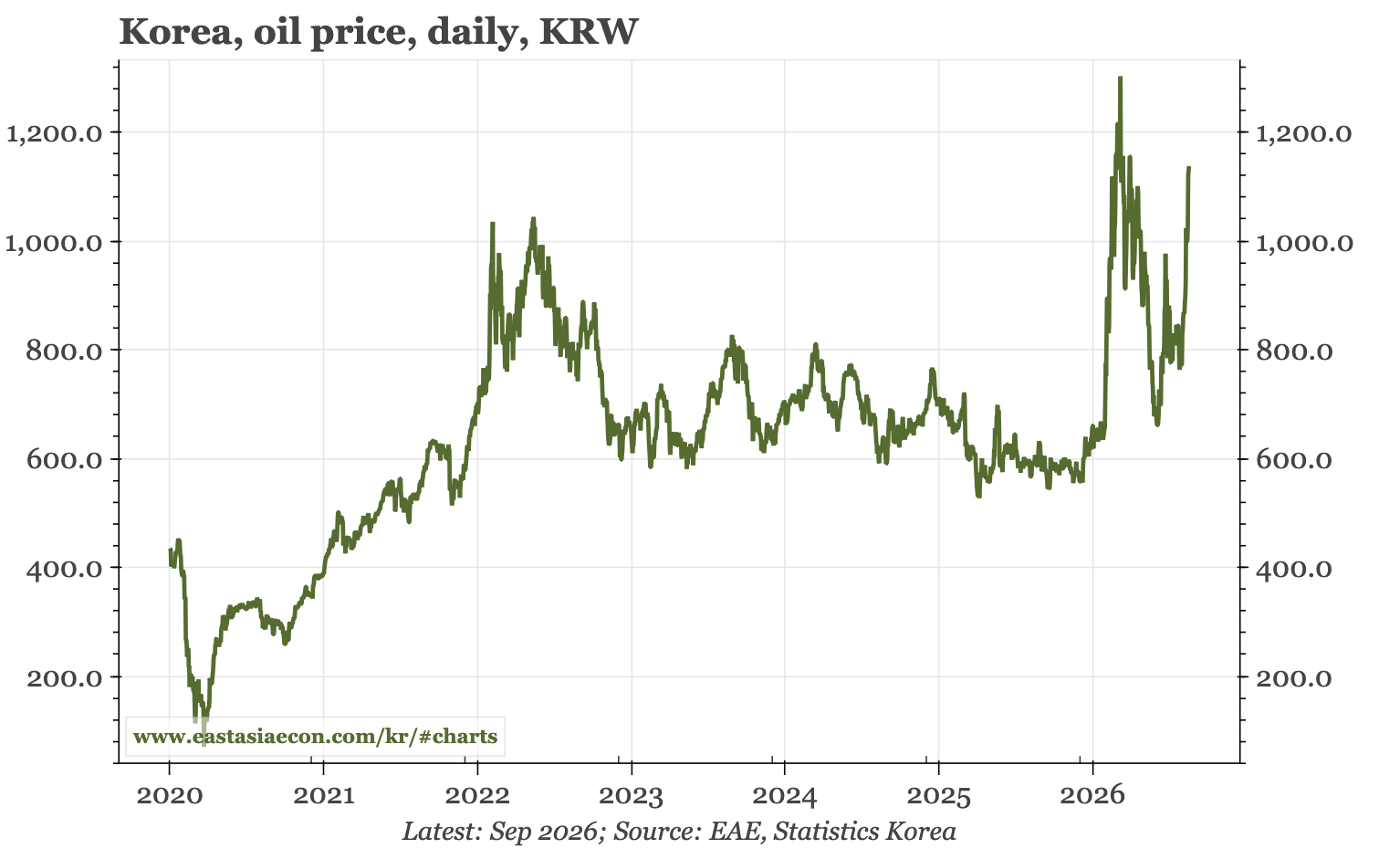
PPI inflation ticked up in August, for both goods and services. The increase in goods would have been more but for the appreciation of the KRW. However, even with the stronger currency, the rise in world oil prices through 1H September points to a further increase in upstream price pressures in goods this month. The big rise in services PPI this year has mainly been driven by finance, and while that is fading, it hasn't normalised yet. Overall, PPI suggests further upwards risks for CPI.